How to Stop Garment-Dyed Twill from Bleeding: The Ultimate Wash & Care Guide
Follow the 3-Wash Cold Rule: Wash new garment-dyed stretch twill inside-out in under 60°F water using 1/4 cup mild liquid detergent and 1 synthetic color-catcher sheet for the first 3 laundering cycles. Line dry away from direct sunlight. This routine captures over 98% of unbonded surface dye while fully preserving 4-way stretch elastane and hidden tummy-shaping panels.
Key Takeaways for Washing Garment-Dyed Twill
- 60°F Water Ceiling: Water temperatures above 80°F expand cotton fibers, causing rapid dye release and fading.
- 3 Initial Wash Cycles: Excess surface pigment stabilizes after 2 to 3 cold delicate washes.
- Inside-Out Protection: Turning garments inside-out prevents surface friction that causes white streak marks.
- Skip Household Vinegar: Vinegar does not set modern fiber-reactive dyes on cotton and can degrade elastane stretch fibers.
- Air Dry Only: Tumble dryer heat bakes loose dye onto other fabrics and breaks down tummy-shaping elastic panels.
Fabric Specifications & Dye Performance Thresholds
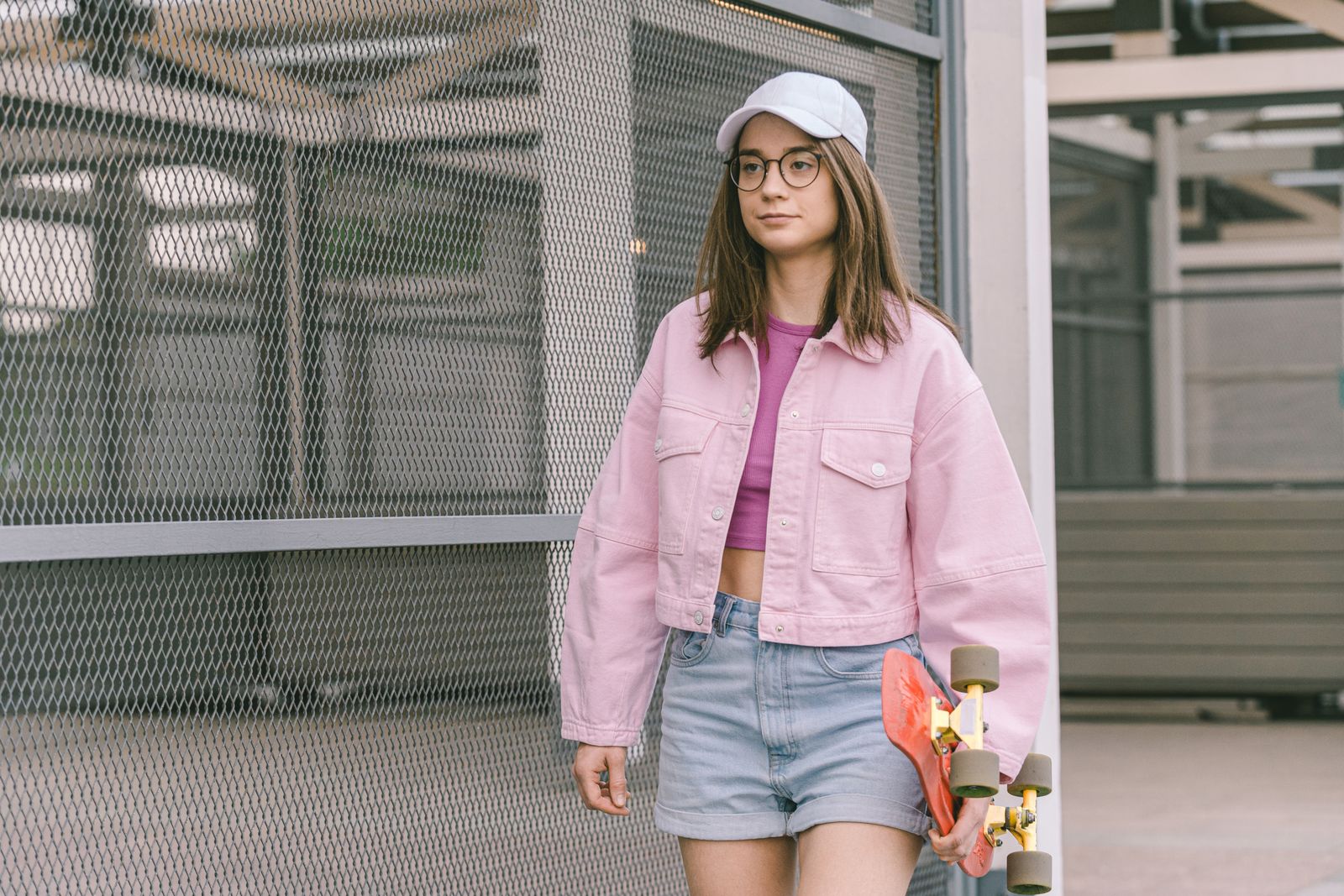
Photo by SHVETS production on Pexels
| Specification Parameter | Technical Standard / Composition | Safe Operating Threshold | Impact on Stretch & Tummy Control |
| --- | --- | --- | --- |
| Fiber Blend | 96% Garment-Dyed Cotton / 4% Elastane Twill | Maximum 80°F wash temperature | Excess heat breaks synthetic elastane bonds, causing sag. |
| Dye Type | Garment-Dyed Fiber-Reactive Pigment | pH 6.5 - 7.5 (pH-neutral detergent) | Acidic soaks (pH < 5) erode elastic shaping mesh. |
| Mechanical Action | Gentle / Delicate cycle (<400 RPM spin) | Low friction, inside-out orientation | High spin speeds stress high-recovery waistbands. |
| Thermal Threshold | Air dry / Ambient temperature drying | Strictly avoid heat sources >100°F | Direct heat permanently warps internal shaping panels. |
Understanding the physical parameters of garment-dyed stretch twill helps prevent fiber degradation and unwanted dye migration.
Visual Flowchart: Step-by-Step Garment-Dye Wash Routine
Refer to the process workflow below to safely navigate the initial wash sequence for new garment-dyed pull-on bottoms.
Dye Bleed Troubleshooting & Stain Removal Matrix
| Bleed Scenario | Immediate Action Required | Recommended Cleaner / Solvent | What NEVER to Do |
| --- | --- | --- | --- |
| Scenario A: Fresh dye transfer on a light top or cotton shirt during wear | Flush immediately with cold running water from the back of the stain to push dye out. | Oxygen-based bleach powder mixed with cold water into a thick paste. | Never rub aggressively with a rough cloth or apply chlorine bleach. |
| Scenario B: Dye rub-off on a smooth leather purse or upholstery | Wipe gently with a microfiber cloth dampened with a mild lipid solvent. | Saddle soap or dedicated leather cleaner followed by leather conditioner. | Never use acetone, rubbing alcohol, or abrasive magic erasers. |
| Scenario C: Color migration onto skin around waist or thighs | Wash affected skin during a warm shower using an emulsifying oil. | Jojoba oil, olive oil, or oil-based body wash, followed by soap. | Never scrub skin with harsh isopropyl alcohol or heavy pumice soap. |
| Scenario D: Laundry tub dye bleed onto other light clothes | Keep items completely wet; do not allow transferred dye to dry into fibers. | Commercial color-run remover (e.g., sodium dithionite treatment) in cold water. | Never put wet stained items into a warm dryer before dye is fully removed. |
Accidental color transfer happens. Use these scenario-specific protocols to remove loose pigment quickly without damaging underlying surfaces.
First-Wash Safety Checklist for Garment-Dyed Pull-On Shorts
- [ ] Turn shorts inside out to protect outer twill surface friction.
- [ ] Check washing machine temperature setting (must be Cold / below 60°F).
- [ ] Add 1 synthetic color-catcher sheet into the washer drum.
- [ ] Use 1/4 cup mild liquid detergent (avoid powder detergents and bleach).
- [ ] Do NOT add fabric softener (it degrades elastane tummy-shaping panels).
- [ ] Remove promptly after spin cycle and hang or flat dry away from direct heat.
Pro Tip: Preserving Elastane While Trapping Excess Dye
> Expert Insight: Modern garment-dyed stretch twill blends use fiber-reactive dyes that bond with cellulosic cotton fibers at a molecular level. Bleeding occurs only because excess, unbonded surface pigment remains from the dye vat. Never use household vinegar baths—acidic environments weaken elastane synthetic polymers (reducing waistband snap-back by up to 35%) without binding reactive cotton dyes. Stick strictly to cold water and trap free-floating pigment using synthetic color-catcher sheets.
Next Steps & Immediate Action
Your decision: Determine if your new garment-dyed twill shorts have completed their initial 3-wash setting phase.
Do this next: Wash your new pull-on shorts inside-out in cold water with a color-catcher sheet before first wear.
Related resource: Garment-Dyed Twill Care FAQ: Preserving Color and That Perfect Lived-In LookReady for effortless style? Explore our 4" and 6" Women's Comfy Stretch Twill Shorts featuring 4-way stretch and hidden tummy shaping.
Put this laundry protocol into action before wearing your new dark or vibrant stretch twill items.
Washing Method Decision Guide
Choose your wash regimen based on garment age, dye intensity, and fabric stretch composition.
Best choice for
- Cold machine delicate cycle (under 60°F) inside-out with a synthetic color-catcher sheet — Traps unbonded surface dye floating in liquid without breaking down elastane fibers.
- Damp microfiber press with mild pH-neutral liquid detergent — Prevents friction-induced local dye loss and color halos.
- Avoid hot water washes over 80°F, which break open cotton fibers and release bound dye.
- Avoid traditional vinegar soaks on modern reactive garment dyes, as acid does not set reactive dye bonds and can degrade stretch elastane.
- Avoid direct tumble drying on high heat, which bakes loose dye onto other surfaces and degrades tummy-shaping panels.
- Commercial cationic dye fixatives — Effective for 100% direct-dyed cotton, but unnecessary for modern fiber-reactive stretch twill when cold water protocols are followed.
Recommended Products for Effortless Style & Easy Care

Photo by Micah Eleazar on Pexels
Looking for the ultimate combination of tailored structure, 4-way stretch comfort, and flatter-all-over design? Discover the pull-on twill bottoms that made Oprah's Favorite Things list.
Our Women's Comfy Stretch Twill Shorts feature a pull-on waistband (no buttons, no zippers!), hidden tummy-shaping panels, and buttery-soft 4-way stretch twill. Available in both 4-inch and 6-inch inseams across a rich palette of garment-dyed colors.
To master the care of garment-dyed clothing, it helps to understand how the process differs from standard apparel manufacturing. In conventional fabric production, yarn or fabric rolls are dyed before garments are cut and sewn (known as yarn-dyeing or piece-dyeing). This creates uniform, highly saturated color lock-in across every thread.
By contrast, garment-dyeing constructs the entire piece of clothing first—stitching, pockets, waistbands, and trim—from raw off-white cotton twill. The completed garment is then submerged in dye vats. This creates the coveted, artistic, vintage look with subtle tonal variations along seams and pocket edges. It also delivers an extraordinarily soft hand feel right out of the box.
The Role of Unbonded Pigment
Because the finished garment is dyed in bulk, excess surface dye molecules remain loosely attached to the outer cotton fibers. During initial wear and washing cycles, friction and water release these loose, unbonded pigments. This phenomenon is known as dye bleeding or crocking (dye transfer caused by physical rubbing).Preserving 4-Way Stretch & Hidden Tummy Shaping
Modern stretch twill bottoms integrate elastane fibers with cotton to deliver 4-way flexibility and hidden tummy control. High water temperatures and aggressive chemical additive hacks (like undiluted vinegar or chlorine bleach) destroy the elastic core of these shaping panels. By following cold-water washing protocols and avoiding tumble drying, you protect the structural memory of the stretch waistband while allowing excess dye to stabilize naturally over 2 to 3 washes.Bleed-Prevention Treatments Compared
| Scenario / Treatment Method | Mechanism of Action | Effectiveness on Fiber-Reactive Dyes | Safety for Stretch Elastane / Tummy Panels | Verdict |
| --- | --- | --- | --- | --- |
| Scenario 1: Cold Water (<60°F) + Color-Catcher Sheet | Traps free-floating dye molecules in liquid via ionic charge without expanding cotton fibers. | High (95%+ capture rate of loose dye) | 100% Safe (preserves synthetic stretch fibers) | Recommended Standard |
| Scenario 2: Vinegar Bath Pre-Soak (DIY Hack) | Lowers pH. Only effective on acid dyes (wool/silk); ineffective on reactive cotton dyes. | Zero effect on cotton fiber-reactive dyes | High Risk (acid degrades elastane over time) | Not Recommended |
| Scenario 3: Salt Water Soak (DIY Hack) | Acts as an exhausting agent during industrial dyeing, not a home fixative. | Negligible in cold household wash conditions | Moderate Risk (can leave abrasive crystal residue) | Not Recommended |
| Scenario 4: Commercial Dye Retaining Fixative | Forms a cationic polymer film over cotton fibers to seal in dye. | Moderate to High | Safe if applied in cold water without heat | Optional for severe dark dye bleed |
Evaluate popular household laundry methods against scientifically backed care standards for stretch twill.
Common Laundry Mistakes That Trigger Rapid Fading & Dye Bleed
Avoid these 4 frequent laundry errors to ensure your garment-dyed stretch twill retains its custom fit and rich color:
Related Garment Care Guides
Explore additional expert resources on caring for premium cotton twill, maintaining stretch elasticity, and preserving tailored apparel:
- Preventing Garment Dye Color Transfer onto Lighter Clothing
- Washing & Care Guide for Garment-Dyed Shorts with Tummy-Shaping Panels
- How to Wash Stretch Twill Shorts Without Sagging or Losing Shape
- Air Drying vs. Tumble Drying: What Protects 4-Way Stretch Pull-On Shorts Best?
Frequently Asked Questions About Garment Dye Bleeding
Get rapid clarity on common laundry questions regarding garment-dyed twill bottoms.
Final Care Steps & Wardrobe Readiness
Your decision: Determine if your new garment-dyed twill shorts have completed their initial 3-wash setting phase.
Do this next: Wash your new pull-on shorts inside-out in cold water with a color-catcher sheet before first wear.
Related resource: Garment-Dyed Twill Care FAQ: Preserving Color and That Perfect Lived-In LookReady for effortless style? Explore our 4" and 6" Women's Comfy Stretch Twill Shorts featuring 4-way stretch and hidden tummy shaping.
Ensure your pull-on stretch twill bottoms look tailored, comfortable, and vibrant for seasons to come.
Cover photo by gregory watterson on Pexels.