
Washing & Care Guide for Garment-Dyed Shorts with Tummy-Shaping Panels
Wash garment-dyed stretch twill shorts inside out, in cool water, with like colors, and keep them out of high dryer heat. Those four habits protect the two things that can be damaged: the garment-dyed color, which is designed to fade gradually, and the elastic fiber that gives the shorts their 4-way stretch and lets the hidden tummy shaping keep working. Everything below is the detail behind those four rules.
Why garment-dyed fabric needs a different routine
Most clothing is piece-dyed, meaning the fabric is dyed on the roll before it is cut and sewn. Garment dyeing reverses the order: the shorts are assembled first and then dyed as finished garments. That is what produces the soft, slightly uneven, worn-in look on the Women's Comfy Stretch Twill Shorts from the first wear rather than after two years.
The tradeoff is that garment-dyed color behaves differently in the wash. Two things follow from the process:
- The shade fades gradually as you wash, wear, and live in the shorts. That is intended behavior, not a defect, and it is the same slow softening you see in a well-loved chino.
- The dye can transfer onto lighter materials or surfaces, especially while the shorts are new. Pale upholstery, a cream bag, a white tote, and light car seats are the usual places it shows.
The wash routine, step by step
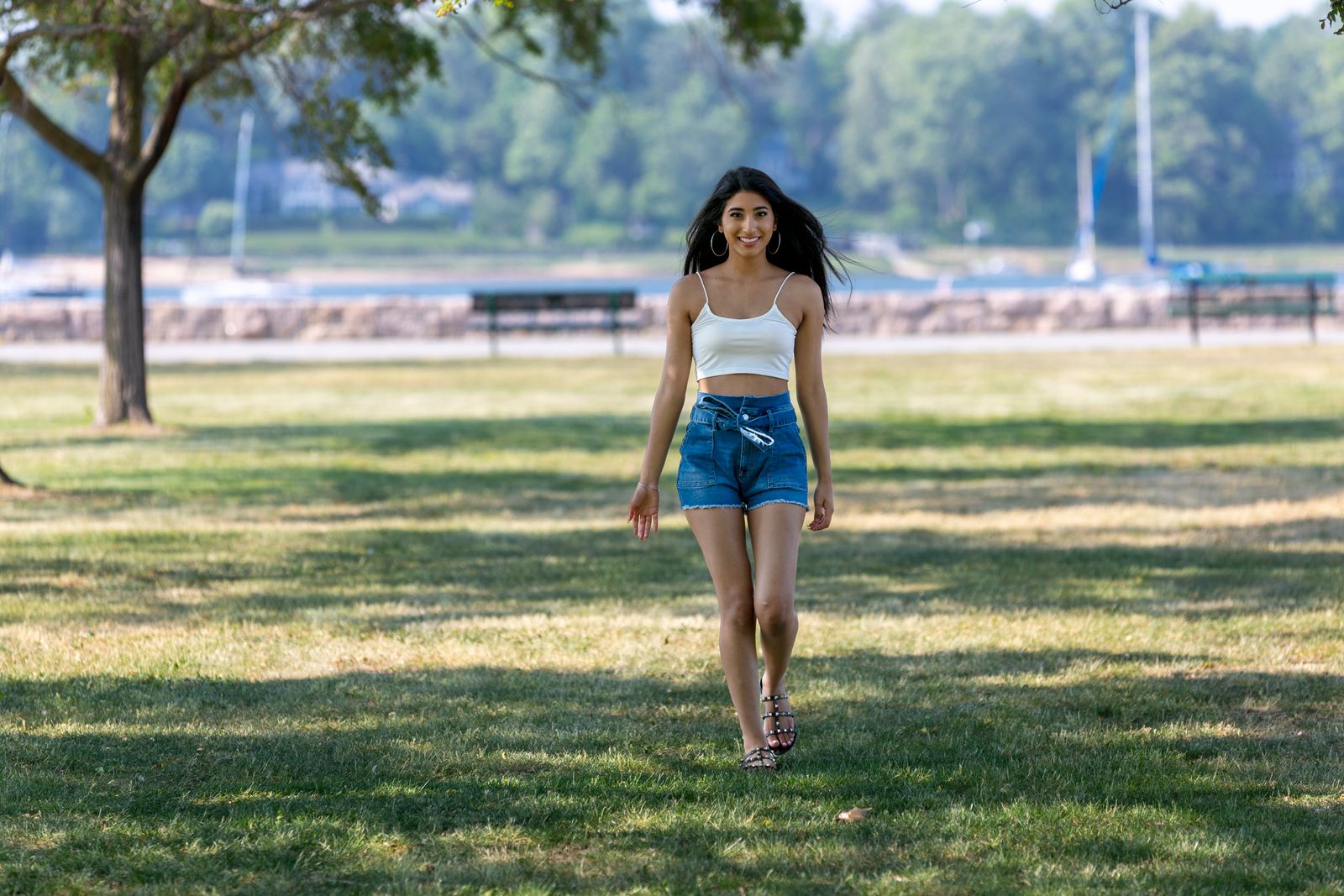
Photo by Jeff Denlea on Pexels
Protecting the shaping panel and the waistband
The hidden tummy shaping and the pull-on waistband both depend on elastic recovery — the fabric's ability to return to shape after being stretched. Elongation is what makes a garment comfortable; recovery is what makes it still comfortable a year later. Three things degrade recovery, and only one of them is wearing the shorts.
- Heat. Hot water and hot dryers are the primary cause. This is why the temperature rules matter more than the detergent choice.
- Storage under tension. A waistband clipped taut on a hanger is being stretched every hour it hangs there. Fold the shorts or lay them flat instead.
- Chemical coatings. Fabric softeners, dryer sheets, and heavy stain treatments all leave residue on fibers, which stiffens them and reduces their return.
Troubleshooting table
| What you are seeing | Likely cause | What to do | |---|---|---| | Color lighter than when new | Garment-dye fading, which is expected | Wash inside out and cool to slow it down | | Color on a light bag or seat | Dye transfer, most common when new | Wash separately for the first few cycles | | Waistband feels looser than it was | Reduced elastic recovery from heat | Stop dryer heat; wash cool going forward | | Front no longer sits smooth | Usually fit, sometimes recovery | Check size at the hip; run the stretch-and-release test | | Fabric feels stiffer than it did | Detergent or softener residue | Rewash with a small amount of mild detergent, no softener | | Creased fold line across the front | Stored folded in the same place too long | Roll instead of folding for storage | | Pilling at the inner thigh | Normal abrasion where fabric contacts itself | Wash inside out; avoid high-agitation cycles | | Hem edge curling | Heat drying | Air dry and lay flat |
Stain handling without damaging the dye

Photo by Alexander Grey on Pexels
Garment-dyed fabric is more sensitive to spot treatment than piece-dyed fabric, because a concentrated cleaner can lift dye in a small area and leave a lighter patch that is more visible than the original stain. The safe method is gentler and slower.
Avoid chlorine bleach entirely, and avoid oxygen bleach on deeper shades. Both remove color, and on garment-dyed fabric the result is uneven.
Storing them between seasons
Storage decides how the shorts look on the first warm day next year. Three habits cover it:
- Store them clean. Body oils and invisible residues oxidize over months and can set into permanent marks.
- Store them flat or rolled, not hanging by a clip. Rolling avoids setting a fold line across the front panel and keeps the waistband relaxed.
- Store them dry and out of direct light. Sunlight fades dye through a closet door surprisingly effectively, and any residual damp invites mildew.
Frequently asked questions
Should the first wash be by hand?
It does not need to be. A cool machine wash, inside out, with like colors, is sufficient. The reason people suggest hand washing is dye transfer, and washing separately for the first few cycles addresses that just as well with less effort.
Will the fading eventually make them look worn out?
Garment-dyed fabric fades toward a softer version of its original shade rather than toward patchiness, which is why the look is described as worn-in. Washing inside out keeps the process gradual and even.
Does the color transfer stop at some point?
It reduces substantially after the first few washes, when the loosest surface dye has been rinsed away. Some care with very pale materials remains sensible, in the same way it does with dark denim.
Can I use a stain-removal pen on these?
Use it cautiously and test first. Concentrated cleaners can lift color in a small area on garment-dyed fabric, which leaves a light patch. Blotting and a diluted mild detergent are the safer default. Background on how the fabric is put together is in the story behind these shorts and how they are made, and pocket construction is covered in the guide to the patch pockets.
A practical next step
Set up the routine once so you do not have to think about it. Turn the shorts inside out the moment you take them off and put them straight into a darks basket. That one habit handles the dye, the abrasion, and most of the fading, and it costs nothing. Add a cool wash and no high dryer heat, and the shaping panel and waistband will still perform the way they did on day one.
Cover photo by armağan başaran on Pexels.