
The Flaw in Women's Stretch Chino Shorts
 Maya ChenContributing Editor
The obsession with maximum stretch in women's chino shorts is a trap; it's the primary cause of the dreaded mid-day sag and loss of shape. The market defaults to promoting high percentages of elastane as the pinnacle of comfort, but this overlooks a critical factor: elastic recovery. Most fabrics that prioritize extreme, initial-state stretch do so at the expense of long-term structure. The result is a pair of shorts that feels great in the fitting room but bags out at the seat and waist after a few hours of sitting, walking, or living.
Why High Spandex Content Is a Misleading Metric
The conventional wisdom says that a higher spandex percentage equates to more comfort and a better fit. Here's the part nobody talks about: not all stretch is created equal. Spandex, or elastane, is known for its exceptional elasticity, capable of stretching over 500% without breaking, as noted in textile science overviews like those from Wikipedia on Spandex. However, its performance is entirely dependent on the quality of the fiber and, more importantly, the base fabric it's woven into. When blended into thin, weak cottons, the elastane provides flexibility but the fabric structure itself has no 'snap-back.' It deforms under tension—like sitting at a desk—and stays deformed. This is why a pair of shorts can feel snug at 9 a.m. and sloppy by 3 p.m.
The Case for Structural Integrity Over Maximum Stretch
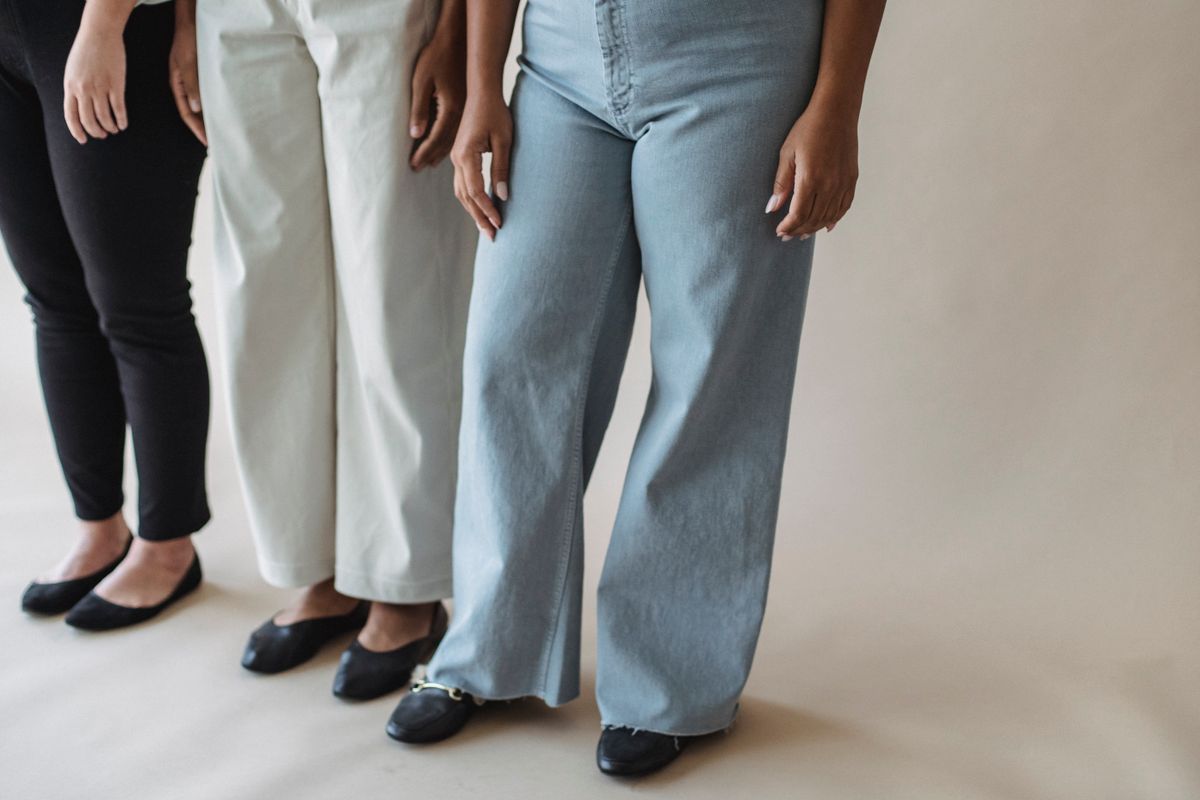
Photo by Antonius Ferret on Pexels
The solution isn't less stretch, but better stretch. The focus should shift from the percentage of elastane to the fabric's construction. A dense twill weave, for instance, provides inherent structure and durability. When combined with a lower, more strategic amount of high-quality elastane, the twill acts as a scaffold. It allows for movement but forces the fabric to return to its original silhouette. This 'snap-back' quality is the true test of a durable, well-fitting short. This construction maintains a crisp, polished look, making them a viable option for those seeking dressy comfortable shorts for work. It’s this balance of form and function that defines what the best stretch twill shorts women should offer.
How does fabric weave affect a short's structure?
A fabric's weave is its foundational architecture. A standard plain weave can be loose and prone to distortion, especially when infused with stretch fibers. A twill weave, characterized by its diagonal parallel ribs, creates a denser, stronger fabric. This inherent sturdiness resists the bagging and sagging common in lesser weaves. It provides the structure necessary for the elastane fibers to do their job properly: stretch for movement and then retract, preserving the short's intended shape through hours of wear.
Do structured twill shorts sacrifice comfort?

Photo by 🇻🇳🇻🇳Nguyễn Tiến Thịnh 🇻🇳🇻🇳 on Pexels
No. Structure should not be confused with rigidity. The comfort in a well-made twill short comes from engineered mobility, not from shapeless, overly elastic fabric. The twill provides a stable, flattering silhouette while the integrated stretch accommodates sitting, bending, and walking without restriction. This approach delivers all-day comfort without the typical afternoon fit degradation, while still allowing for practical elements like cotton stretch shorts with pockets that don't pull or warp the fabric.
I'll change my mind when a high-spandex, non-twill chino can survive an eight-hour day of mixed sitting and walking without losing its shape in the seat.