
Where Shorts Are and Aren't Welcome: A Dress-Code Guide for Travel, Dining, and Tours
Most dress-code trouble with shorts happens in four places: religious sites, evening dining rooms on cruise ships, upscale restaurants at dinner, and guided tours of historic buildings. Nearly all of those rules are about knee coverage and the general formality of the fabric, not about shorts as a category. Knowing which venues care — and packing one longer, structured pair — solves the problem before it starts.
What dress codes actually measure
Written dress codes rarely say "no shorts." They tend to specify one of four things, and understanding which one applies determines whether a pair of shorts passes.
- Coverage. Religious sites and some historic properties specify that shoulders and knees be covered. This is a measurable rule and the most strictly enforced one anywhere in the world.
- Formality of fabric and construction. Restaurant and club codes that say "smart casual" or "resort elegant" are judging whether a garment looks considered. A tailored, garment-dyed twill short with a clean waistband and no visible hardware reads very differently from a frayed cutoff.
- Category bans. A small number of venues do specifically exclude shorts, usually in evening dining rooms and at private clubs. These are the cases where no amount of tailoring helps.
- Nothing at all. Casual restaurants, markets, museums in most countries, and the majority of daytime travel have no functional code.
Venue-by-venue guide
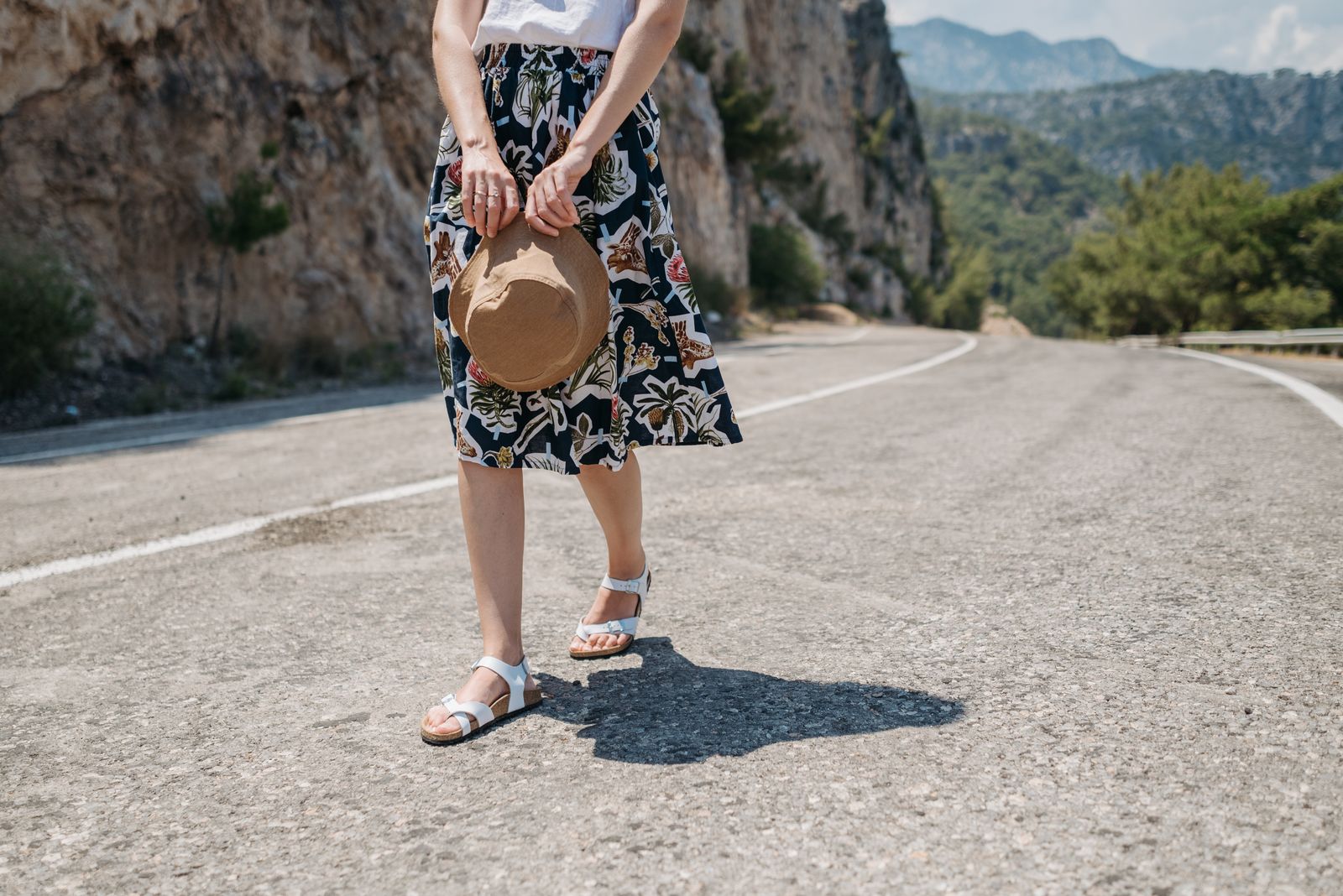
Photo by Pavel Danilyuk on Pexels
| Setting | Typical rule | Do shorts work? | |---|---|---| | Museums and galleries | Usually none | Yes | | Churches, cathedrals, temples, mosques | Knees and shoulders covered | Frequently not; the longer inseam plus a wrap or scarf is the standard workaround | | Guided tours of historic homes and palaces | Sometimes knee coverage | Check before booking; longer length is safer | | Casual restaurants and cafes, daytime | None | Yes | | Upscale restaurants, dinner service | Smart casual to formal | Often not; check the stated code | | Cruise ships, daytime | None | Yes | | Cruise ships, main dining room in the evening | Usually resort casual or above; shorts commonly excluded | Generally not | | Resorts and beach clubs | Cover-up expectations only | Yes | | Golf and country clubs | Frequently specific about length and style | Check the club's published rules | | Airline travel | None | Yes | | Theme parks and fairs | None | Yes | | Casual workplaces | Varies by written policy | Depends on the policy |
The pattern worth remembering: daytime is almost always fine, evening dining and sacred spaces are where the rules live.
Why one pair can cover most of it
The garment features that pass a soft dress code are consistent and identifiable.
A longer inseam. Of the two lengths available, the 6-inch inseam is the one to pack for a trip with uncertain dress codes. More thigh coverage moves closer to the knee-coverage standard and reads as more deliberate in a smart-casual setting.
A clean waistband with no visible hardware. A pull-on design with no button and no zipper produces a smooth, uninterrupted line at the waist. That is the opposite of the visual cues — rivets, contrast stitching, frayed hems — that read as strictly casual.
Fabric that holds its shape. Twill's diagonal weave drapes close and resists creasing, so a pair that has been through a taxi, a flight, and a walk still looks composed. This is the single biggest difference between passing and failing a "smart casual" judgment, and it is why linen and lightweight cotton shorts struggle in the same settings.
A tailored cut rather than a boxy one. A high-waisted short with a defined line reads as clothing rather than as leisurewear.
Combine those and a single pair handles daytime sightseeing, casual dinners, and most resort settings. Where the pair cannot help is a written no-shorts rule, and the answer there is a lightweight pair of trousers or a skirt in the same bag.
Packing for mixed dress codes
There is more on packing and wear over a long trip in this guide to twill shorts as travel wear.
How to check a dress code before you go

Photo by 🇻🇳🇻🇳Nguyễn Tiến Thịnh 🇻🇳🇻🇳 on Pexels
Most of the anxiety around this topic comes from guessing. The information is usually published and takes very little time to find.
Five minutes across those sources covers an entire trip. The alternative — packing extra outfits to cover uncertainty — takes up far more space in a suitcase than the reading takes in an evening.
A note on new pairs and pale surfaces
One travel-specific detail that catches people out. Garment-dyed fabric is dyed after the shorts are constructed, so a new pair carries some loose surface dye. That dye can transfer onto other lighter materials or surfaces — pale hotel linens, cream upholstery, light-colored airline seats, a white handbag on the lap — especially when the fabric is damp from heat.
The fix is simple and worth doing before a trip rather than during one: wash the shorts before the first wear, keep them separate from light laundry for the first few cycles, and wash inside out to preserve the worn-in look. After a few washes the surface dye is gone and the shorts behave like any other colored garment.
FAQ
Do knee-coverage rules at religious sites apply to a 6-inch inseam? Generally not by themselves — a mid-thigh short does not reach the knee. The standard workaround is a large scarf or a wrap tied at the waist, which most major sites accept and some even provide at the entrance. Checking the specific site's published policy is worth the two minutes.
Are shorts acceptable in restaurants on vacation? At lunch and in casual dinner settings, almost always. In dining rooms with a stated dress code, often not. The garment's construction helps in borderline cases: a tailored short with a clean waistband and a structured top is judged very differently from a casual cutoff and a t-shirt.
Can tailored shorts pass in a business-casual workplace? That depends entirely on the written policy, which many workplaces have and few employees have read. Where shorts are permitted at all, a longer inseam, a smooth hardware-free waistband, and closed shoes are what make the difference. This piece on casual work shorts goes into the specifics.
What makes a pair of shorts look dressier without changing the shorts? The shoe and the top, in that order. Swapping a slide sandal for a loafer and a t-shirt for a collared shirt moves the same shorts a full step up in formality. Ideas for both are in this guide to styling high-waisted shorts for any occasion.
A practical next step
Before the next trip, list the three settings on the itinerary most likely to have a rule — an evening dining room, a cathedral, a booked tour — and look up each one's published policy. Then pack the longer inseam, a scarf, and one pair of closed shoes. That combination handles almost everything short of an explicit ban, and it takes up less space than the extra outfits usually packed out of uncertainty.
Cover photo by Gleb Krasnoborov on Pexels.