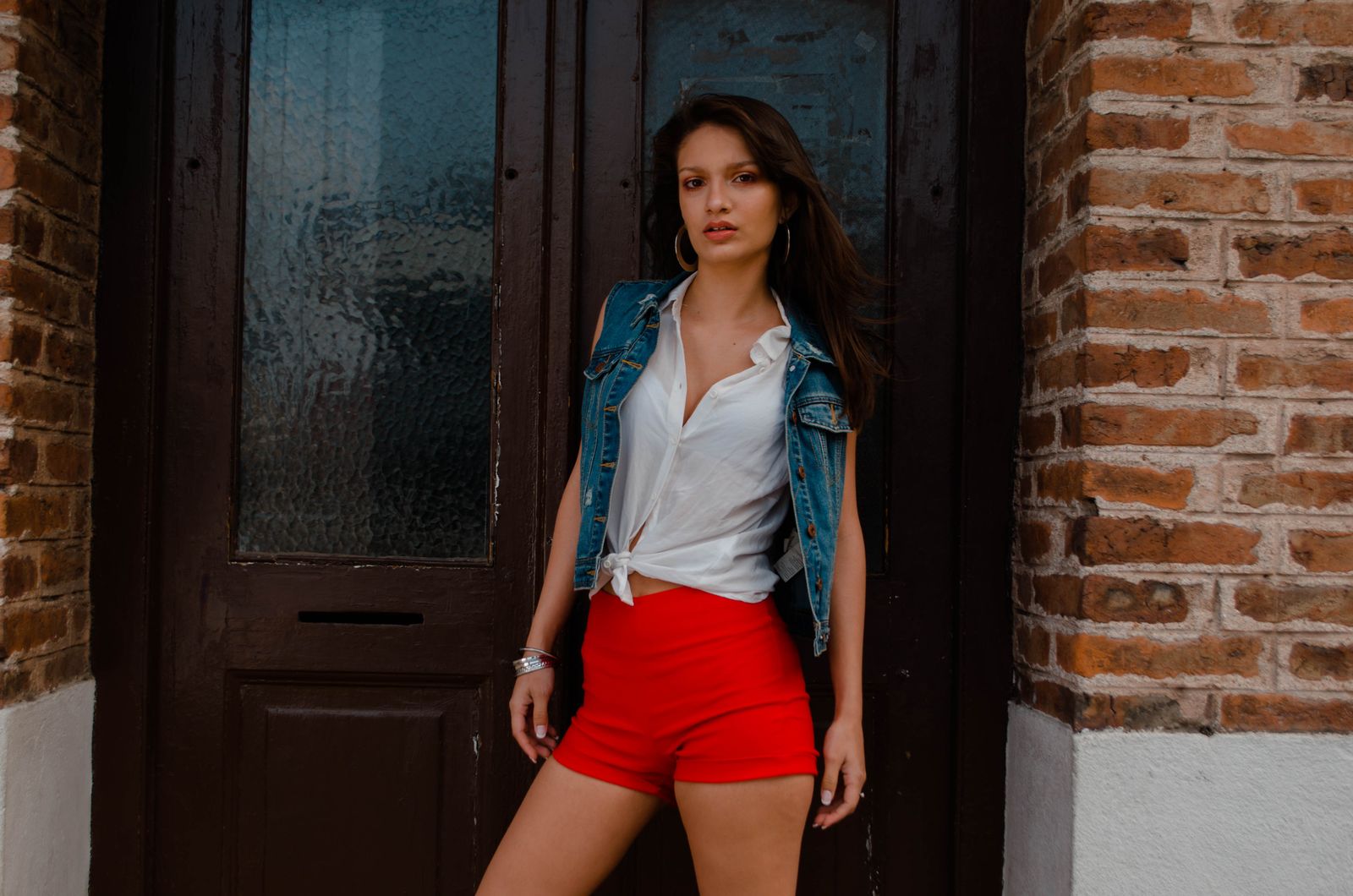
Pull-On Shorts Sizing & Fit FAQ: Inseams, Tummy Control, and Stretch Performance
Size pull-on shorts to the natural waist measurement, not to the hip, and take the true size rather than sizing down to compensate for stretch. Because there is no button or zipper, the waistband has to pass over the hips to get on and then settle at the waist, so the fit depends on the fabric's stretch and recovery rather than on an adjustable closure. Choose the 6-inch inseam if the shorts need to cover both casual and dressier days, and the 4-inch inseam for hot casual weather.
Below are the questions that come up most often about fit, inseam choice, shaping, and how much stretch to count on.
How should pull-on shorts be measured for?
Take two measurements and compare both against the size chart.
If the two measurements point to different sizes, take the larger. A waistband that is slightly generous can be worn comfortably at the natural waist; a waistband that cannot clear the hip cannot be worn at all.
Should pull-on shorts be sized down because of the stretch?
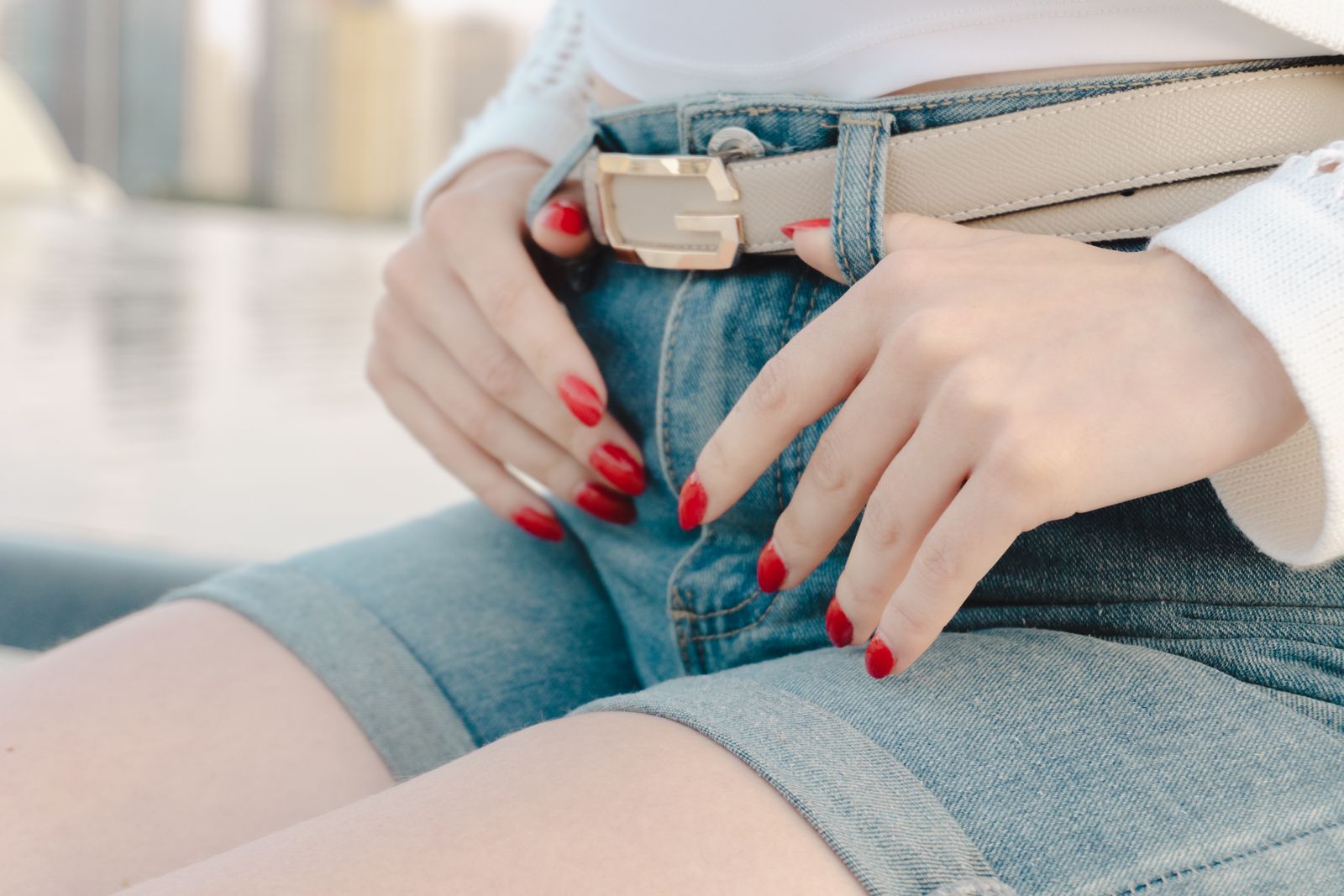
Photo by Zulfugar Karimov on Pexels
No. This is the most common sizing mistake with stretch garments.
Sizing down forces the fabric to work near the limit of its stretch all day, and three things follow:
- The waistband is more likely to roll, because it is under constant tension at the top edge.
- The garment-dyed surface can show strain, since a fabric held at full stretch reveals the weave.
- The elastic fatigues faster. Elastane held near its limit for hours at a time loses recovery sooner than elastane working within its range.
What size chart numbers actually matter?
| Measurement | How important | Why | | --- | --- | --- | | Natural waist | Primary | Determines where the band sits and whether it stays | | Fullest hip | Secondary but essential | The band must clear it to pull on | | Rise | Reference only | Confirms the band sits at the natural waist rather than below | | Inseam | Style decision | Changes appearance, not fit | | Thigh circumference | Useful if listed | Predicts whether the leg opening pulls when seated |
Inseam is worth separating out clearly: it does not affect fit. A 4-inch and a 6-inch inseam in the same size fit identically at the waist, rise, and hip.
How do you know the size is right once they are on?
Run a four-part test. Do all four, not just standing in front of a mirror.
Which inseam should be chosen?
Both lengths are available, and they suit different purposes rather than different people.
Choose the 6-inch inseam when:
- One pair has to cover casual days and dressier ones
- Travel is involved, especially trips with mixed plans
- The day includes a lot of sitting on outdoor furniture or in cars
- Heels, wedges, or loafers will be worn
- A more tailored appearance is preferred
- The weather is genuinely hot
- The setting is casual — weekends, errands, the beach
- Flats and sneakers are the default shoe
- More visible leg is the look you want
Does the hidden tummy shaping change how they should be sized?
No. Size to the natural waist as normal.
Hidden tummy shaping is a construction feature built into the front panel and waistband, not a compression layer added on top. It produces a smooth front line through how the garment is cut and supported, which means:
- It should feel like an ordinary waistband, with no squeeze
- It does not require sizing up to accommodate a panel
- It does not require sizing down to activate any compression
- It stays comfortable across a long day, which is the practical difference from shapewear
What if the waistband gaps at the back?

Photo by José Luis Photographer on Pexels
Gapping usually means the size was chosen from the hip measurement rather than the waist. A short sized to clear a wider hip will be loose at a narrower waist, and the excess shows as a gap at the center back.
Options, in order of preference:
A shaped, high-waisted band gaps far less than a straight elastic casing does, because it is cut to curve with the body rather than being a straight tube. Gapping on a shaped band is almost always a size question.
How much does the fabric relax during wear?
Expect a modest amount, and expect it to come back.
Four-way stretch twill gives slightly over the course of a day of wear, then recovers when the garment rests. This is normal fabric behavior, not a fault. What matters is whether the recovery happens:
- Relaxes during the day, returns overnight or after a cold wash. This is healthy stretch retention.
- Relaxes and does not return. This indicates the elastic has taken damage, almost always from hot water, high dryer heat, or bleach.
- Wash cold on a gentle cycle, inside out, with no fabric softener and no bleach. Dry on low heat or air dry, and reshape the waistband while damp.
- Rotate between pairs. Continuous daily wear stretches a garment faster than washing does. A day of rest lets the fibers return to their original dimensions.
Between two sizes: which way to go?
Go up, with one exception.
- Go up if the hip measurement is near the top of a size range, if the waistband will be worn under fitted tops where strain would show, or if the shorts will be worn for long days of sitting.
- Go down only if the waist measurement is clearly at the bottom of the range and the smaller size can comfortably clear the hip during pull-on.
FAQ
Do pull-on shorts stay up as well as shorts with a button and zipper? A shaped, high-waisted elastic band grips over a wide surface at the narrowest point of the torso, which holds position well. It generally stays put better than a drawstring, which loosens through the day. What it requires is the correct size, since there is no closure to compensate for a waist that is too large. The comparison with zippered shorts goes through the trade-off in both directions.
Will the shorts shrink after washing? Cold water and low-heat or air drying keep dimensional change minimal. Repeated hot washes and high-heat drying are what cause noticeable change, and on a stretch fabric the result is usually a shortened, less comfortable fit rather than a uniformly smaller garment. Setting the machine to cold from the first wash avoids the question entirely.
Are the pockets deep enough to be useful? The patch pocket style sits flat against the fabric rather than adding a deep interior bag at the hip, which keeps the silhouette clean. Practical capacity is a matter of personal preference.
Does the garment-dyed color affect fit over time? Garment dyeing affects appearance rather than fit. The shade softens gradually with wear and washing, and the color can transfer onto lighter materials early on with a deep shade. Fit is governed by the stretch and the wash temperature, not by the dye.
A practical next step
Before ordering, take a tape measure to the natural waist and the fullest part of the hip, and write both numbers down. Compare them to the size chart and take the larger of the two sizes they indicate. Then decide inseam separately, since it does not affect fit — 6-inch for versatility, 4-inch for hot casual days. Those two steps, done in about five minutes, resolve most of what people get wrong about sizing a pull-on short.
Cover photo by Micaela Ayelen Risso on Pexels.