
Postpartum-Friendly Shorts: What to Look For in the First Months After Birth
In the first months after having a baby, the features that matter most in a pair of shorts are a soft waistband with no rigid hardware at the front, a rise that stays put when you bend and lift, and fabric that stretches in every direction. Pull-on stretch twill checks all three, which is why it turns up so often in postpartum wardrobes. Nothing here is medical advice; anyone recovering from a cesarean or a difficult delivery should follow their own clinician's guidance on clothing and pressure.
Why regular shorts are uncomfortable in early postpartum
The postpartum body is changing week to week, and conventional shorts are built on the assumption that it is not.
A traditional closure puts a metal button and a zipper track across the front of the waist. That hardware sits in exactly one position, and it presses hardest when you fold forward — which, with a newborn, is most of the day. Lifting a car seat, leaning over a crib, sitting on the floor, feeding in a low chair: every one of those movements brings the waistband into contact with the abdomen.
Sizing is the second problem. Rigid shorts fit at one measurement. In the first months, waist measurements can change noticeably from one week to the next, and buying a fixed-waist garment for that period means buying something that fits properly for a fortnight.
Third, there is the practical matter of getting dressed at all. One-handed dressing is a genuine daily constraint when someone is being held. A garment that requires two hands and a closure is a garment that stays in the drawer.
What to look for, feature by feature
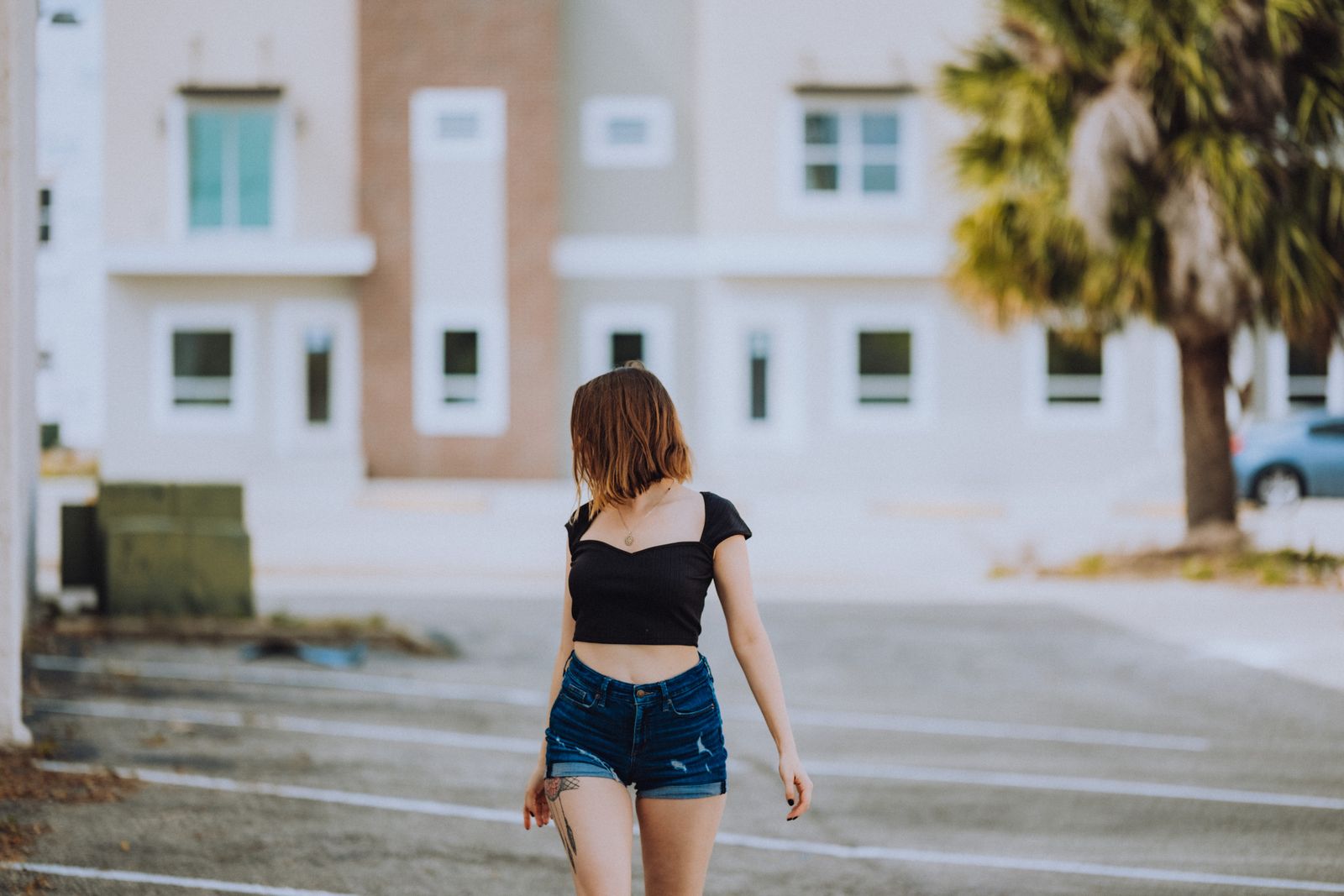
Photo by Connor Scott McManus on Pexels
- No button and no zipper. A pull-on waistband is one continuous band of fabric. It flexes as the fold happens and spreads pressure around the whole waist rather than concentrating it at a single point at the front.
- A high-waisted rise. A high waist stays where it is put during bending, kneeling, and floor time, instead of sliding down and needing constant adjustment.
- Four-way stretch. Give across the hip and along the leg means the fabric follows the motion of squatting to a floor mat or stepping into a car with a bag on one shoulder.
- Smooth internal construction. Hidden tummy shaping that is built into the garment lies flat and streamlined, rather than adding a separate layer, a seam ridge, or hardware over the abdomen.
- Soft, broken-in fabric. Garment-dyed twill arrives already soft, so there is no stiff break-in period against skin that may still be sensitive.
- Real pockets. Patch pockets that hold a phone and keys matter more than usual when both hands are occupied.
Pull-on twill shorts against the usual postpartum alternatives
| Option | Waistband pressure | Holds shape through the day | Reads as regular clothes | Range of fit as things change | |---|---|---|---|---| | Pull-on stretch twill shorts | Low; no button or zipper at the front | Yes, twill holds structure | Yes | Wide | | Maternity shorts with a panel | Low, but the panel can feel warm and bulky | Varies | Often not | Wide, though sized for pregnancy | | Athletic or bike shorts | Low | Clings; not always the look you want | No | Wide | | Pre-pregnancy denim shorts | High; fixed hardware at the front | Yes | Yes | Very narrow | | Loose drawstring shorts | Low | Loses shape; drawstring digs when tied tight | Sometimes | Wide, but imprecise |
The gap the table shows is specific: most low-pressure options either look like activewear or look like maternity wear. A pull-on twill short is one of the few that offers a soft waistband in a garment that reads as ordinary summer clothing.
Choosing an inseam for this stage
Both available lengths make sense for different reasons.
The 6-inch inseam gives more thigh coverage, which many people prefer when they are sitting on the floor, kneeling at a changing table, or spending long stretches in low chairs. More coverage also means less skin-on-skin contact on hot days spent pushing a stroller.
The 4-inch inseam runs cooler and is the easier choice for indoor summer days and for anyone who simply prefers a shorter length. Heat regulation can be unpredictable in the postpartum months, and having a cooler option in rotation is genuinely useful.
If only one pair is going into the wardrobe first, the longer inseam is the more flexible starting point, because it handles floor time and outdoor walking equally well. The general guide to wearing and caring for stretch twill shorts covers how the two lengths sit differently.
Getting the fit right when measurements are still moving
Building a small rotation that actually gets worn
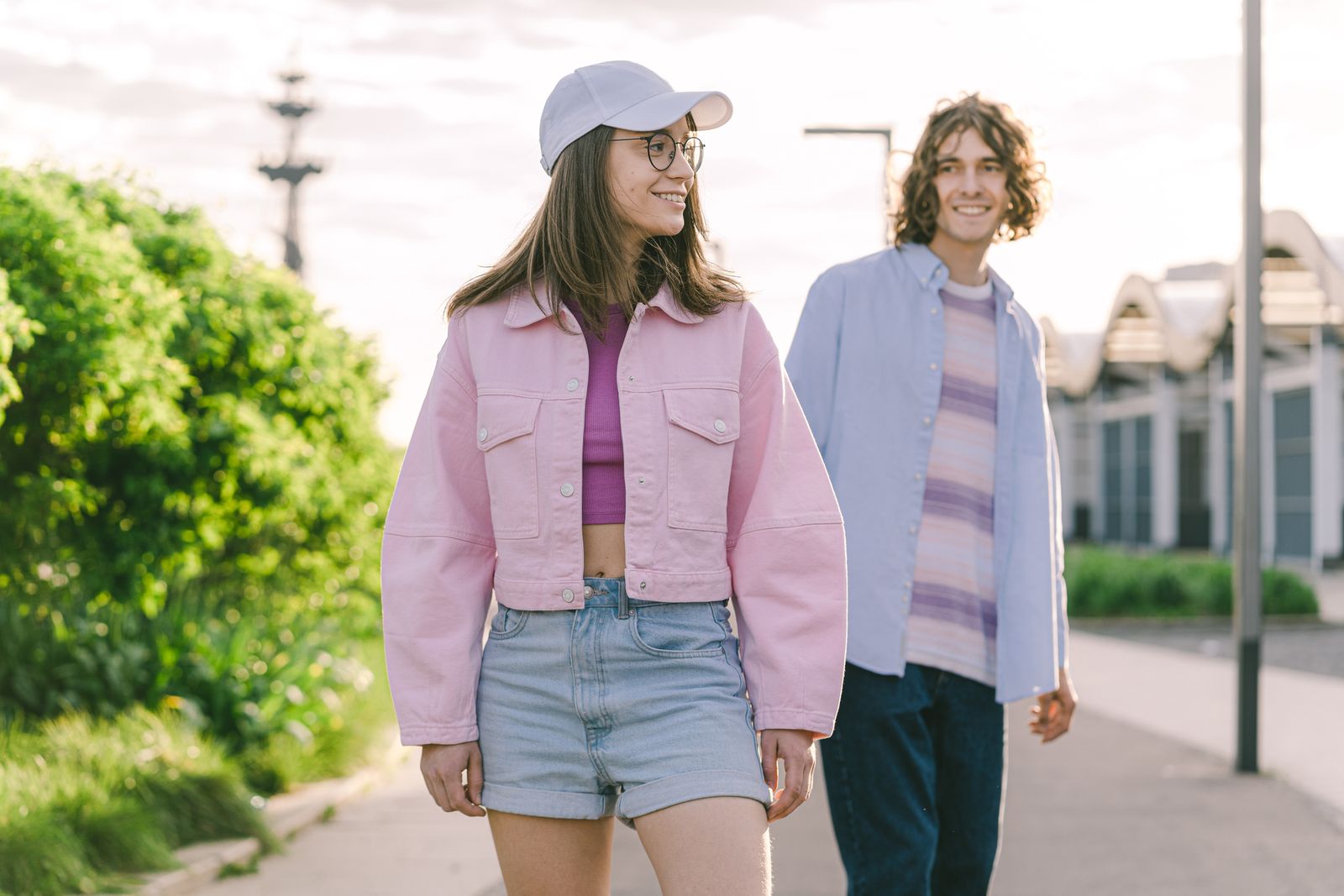
Photo by SHVETS production on Pexels
Wardrobes in the first months after a baby tend to shrink to whatever is within reach and comfortable. Planning for that rather than fighting it produces better results.
A workable rotation is small: two pairs of pull-on shorts, two or three tops that work tucked or untucked, and one pair of shoes that goes on without hands. Everything in that set has to survive being washed frequently and at short notice, because laundry timing stops being predictable.
Two features make a garment survive that test. The first is a waistband that fits across a range rather than at one measurement, so a pair bought in month one is still comfortable in month four. The second is fabric that comes out of the wash ready to wear — twill's diagonal weave resists creasing and does not need ironing or steaming, which matters when there is no spare fifteen minutes anywhere in the day.
It is also worth saying plainly that the goal here is clothing that feels good and stays out of the way. Nothing about a pair of shorts needs to be earned, and no garment is a project. The features described above are useful because they remove friction from getting dressed, not because anything requires fixing.
Practical laundry notes for a busy season
Garment-dyed fabric has one characteristic worth knowing in a house with a newborn: while a pair is new, the color can transfer onto other lighter materials or surfaces. That includes pale muslin cloths, light blankets, and cream nursery furniture. Washing the shorts before the first wear and keeping them separate from light-colored laundry for the first few cycles clears it. Washing inside out preserves the worn-in look and slows how quickly the color lightens.
Beyond that, cold water and a low dryer setting protect both the color and the stretch recovery, which is the whole point of the fabric.
FAQ
How soon after birth can pull-on shorts be worn? Comfort is individual and depends on the delivery and recovery. The advantage of a soft, hardware-free waistband is that it does not place a rigid edge against the abdomen, which is often what makes conventional shorts intolerable early on. Anyone recovering from surgery should ask their own care provider about pressure over the incision.
Is hidden tummy shaping uncomfortable in the postpartum period? Shaping built into the garment is designed to lie smooth and flat under clothing rather than to compress. It behaves quite differently from a separate compression garment. If any pressure across the abdomen is unwelcome at a given stage, that is a reasonable thing to raise with a clinician rather than to guess about.
Will these work as nursing-friendly clothing? Bottoms are simpler than tops in this respect. A pull-on waistband means nothing to undo or refasten when sitting down to feed, and a high rise stays covered while leaning forward.
Do pull-on shorts look like maternity clothes? No. The pull-on construction is internal to how the waistband is built; the shorts read as ordinary high-waisted summer shorts. Practical styling ideas are covered in this guide to styling high-waisted shorts for everyday outfits.
A practical next step
Try the one-handed test on whatever is currently in the drawer. Any garment that cannot be put on while holding a baby will not get worn in these months, regardless of how it looks. Two pairs of soft, pull-on shorts that pass that test will carry more of the summer than a drawer full of things that need both hands.
Cover photo by José Luis Photographer on Pexels.