
How to Wash Stretch Twill Shorts Without Sagging or Losing Shape
Wash stretch twill shorts inside out in cold water, on a gentle cycle, with a mild detergent and no fabric softener, then either hang them to dry or tumble dry on low and remove them while still slightly damp. Heat is what breaks down the stretch fibers that give a pull-on waistband its recovery, so keeping the water and the dryer cool is the single most important habit. Garment-dyed twill also releases some color in early washes, which is why washing inside out and separating from light-colored laundry protects both the shade and the rest of the load.
Why do stretch twill shorts start to sag?
Sagging is almost never the twill itself giving out. Twill is a tightly woven cotton-family construction that holds its shape well. What loosens is the elastic component blended into the weave to create the 4-way stretch, and the elastic in the waistband of a pull-on design.
Elastic fibers fail for four predictable reasons:
- Heat. Hot wash water and high dryer settings relax and eventually break elastane filaments. Once broken, they do not recover.
- Chlorine bleach. Bleach chemically degrades elastic fibers faster than almost anything else in a laundry room.
- Fabric softener and dryer sheets. These coat fibers with a waxy film that blocks the fabric's ability to snap back and traps residue in the weave.
- Wearing the same pair days in a row. Stretch fabric needs rest to return to its original dimensions. Continuous wear stretches it faster than washing does.
The step-by-step wash routine
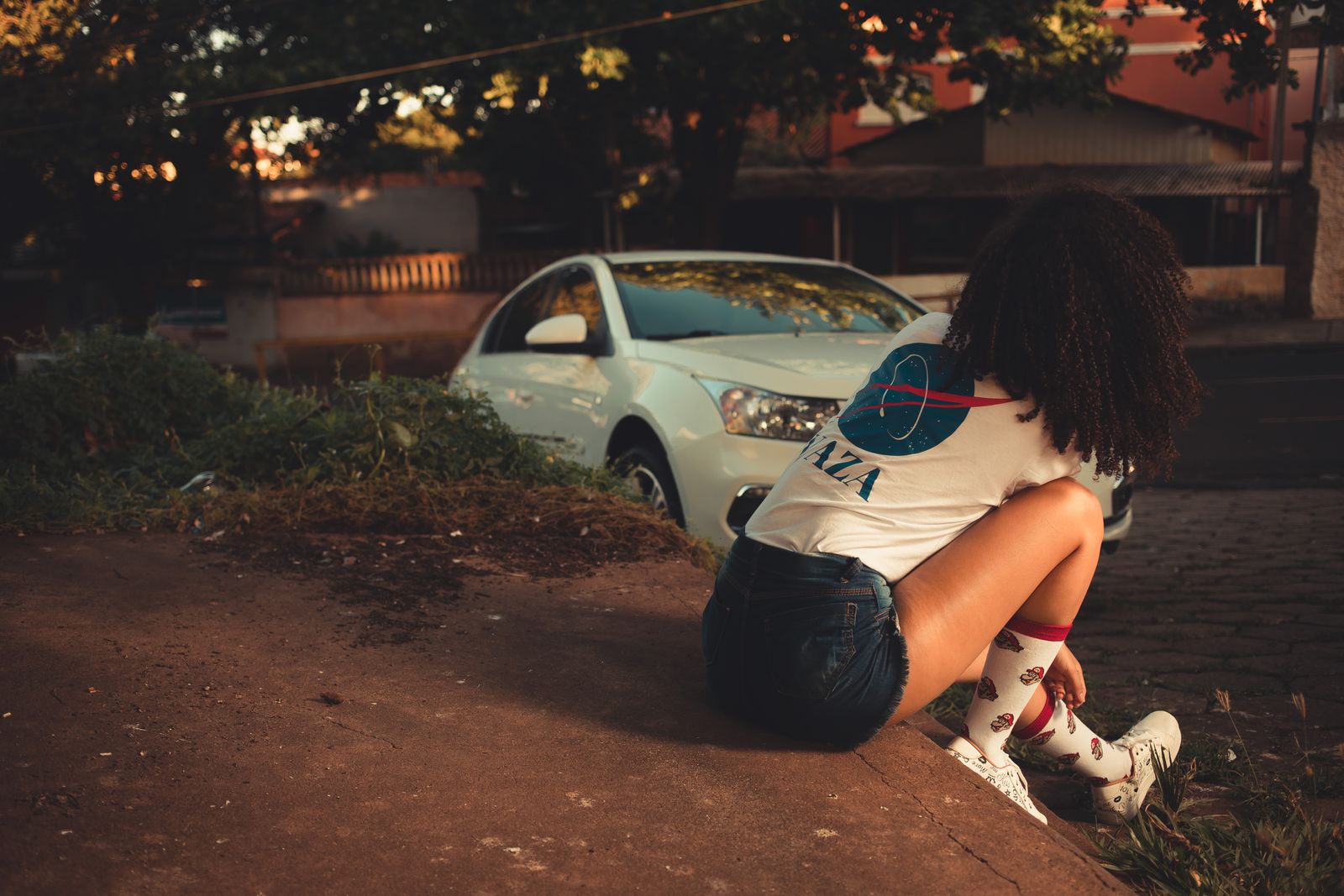
Photo by Breno Cardoso on Pexels
Follow this order every time and the fit will stay consistent for years.
Hand washing versus machine washing
| Factor | Machine, cold and gentle | Hand wash in a basin | | --- | --- | --- | | Stretch retention | Very good if cold and low-spin | Best, no drum agitation | | Color preservation on garment-dyed twill | Good when washed inside out | Best, shortest dye exposure | | Time required | A few minutes of handling | Ten to fifteen minutes of active work | | Risk of setting creases | Low if removed promptly | Low | | Practical for weekly wear | Yes | Only for occasional refresh |
For everyday rotation, a cold gentle machine cycle is the sensible default. Hand washing is worth reserving for a favorite shade you want to keep as deep as possible.
How to dry stretch twill shorts so the waistband keeps its shape
Air drying wins on every measure except speed. The goal is to let the fabric dry in the shape you want it to hold.
- Dry flat when possible. A drying rack or a mesh sweater shelf supports the whole garment so the wet weight does not pull the waistband downward.
- If hanging, fold over the bar at the waistband rather than clipping the hems. Clips at the hem let gravity stretch the leg openings.
- Keep them out of direct sun. Ultraviolet light accelerates fading on any dyed cotton, and it does so unevenly on the side facing the window.
- If using a dryer, use low heat and a short cycle. Then hang the shorts to finish. That last ten percent of drying is where high heat does the most damage.
Handling the garment-dyed color
Garment dyeing means the finished shorts were dyed as complete garments rather than the fabric being dyed before it was cut and sewn. It is what produces the soft, slightly uneven, worn-in look, and it comes with two known behaviors: the color can transfer onto lighter materials or surfaces, and the shade will gradually fade with wear and washing.
Neither is a defect. Both are manageable:
- Wash inside out from the very first wash.
- Wash with like colors, alone or in a small load, for the first few cycles.
- Sit on a light-colored fabric chair or car seat with a little awareness during the first wearings of a deep shade, and avoid pairing a saturated pair with a white bag resting on the lap.
- Expect a gentle softening of the color over time and treat it as part of the look rather than something to fight. Cold water and inside-out washing slow it considerably.
How often should stretch twill shorts be washed?

Less often than most people assume. Cotton-blend twill worn for a few hours of ordinary activity does not need a wash after every outing. Washing after two to three wears is a reasonable rhythm for casual days, sooner after heat, exercise, or anything that left a mark.
Between washes:
- Hang them rather than folding them into a drawer so the fabric can air out and recover.
- Spot clean small marks with cool water and a drop of mild detergent on a clean cloth, working from the outside of the spot inward.
- Let a well-worn pair rest a day before wearing again. That rest is what lets the stretch return to its original dimensions.
Fixing shorts that already feel loose
If a pair has already relaxed, the outcome depends on the cause.
- Loose from continuous wear, not yet washed. A cold wash and a low-heat dry will usually bring most of the shape back. This is the common case and it is genuinely recoverable.
- Softener buildup making the fabric feel limp. Run a wash with a small amount of detergent and no softener, or add a half cup of white vinegar to the rinse to strip residue. Repeat once if needed.
- Elastic damaged by heat or bleach. This is permanent. Broken elastane does not regenerate, and no wash cycle will restore it. Prevention is the only fix, which is why the cold-water habit matters from day one.
Care FAQ
Can stretch twill shorts go in the dryer at all? Yes, on low heat or an air-dry setting, and best removed while slightly damp. High heat is the problem, not the dryer itself. If a pair feels tight straight out of a hot dryer and then bags out by afternoon, that cycle is running too warm.
Does ironing damage the stretch? A warm iron on the inside of the fabric is fine for the leg panels. Keep the iron off the waistband, where direct heat can hit the elastic. In practice, twill that is smoothed while damp and hung to dry rarely needs pressing at all.
Will washing shrink them? Cold water and low-heat drying keep dimensional change minimal on a stretch twill blend. Repeated hot washes and high-heat drying are what cause noticeable shrinkage, and on a stretch fabric the result is usually a shortened, less comfortable fit rather than a uniformly smaller garment.
A practical next step
Set the washer to cold and gentle, turn the shorts inside out, and skip the softener the next time they go in. Then hang them to dry instead of running a full hot cycle. Those three changes cost nothing and account for most of the difference between shorts that hold their shape for years and shorts that relax by the end of a single summer. If care is a broader question, the complete guide to wearing, styling, and caring for stretch twill puts the laundry routine in context alongside fit and outfit choices, and the notes on everyday comfort cover how rotation affects how a pair feels day to day.
Cover photo by Micah Eleazar on Pexels.