How Garment-Dyed Shorts Fade Over Two Summers: What to Expect Season by Season
Garment-dyed stretch twill lightens gradually rather than all at once. Most of the visible change happens in the first handful of washes, the color settles into a stable worn-in tone through the first summer, and by the second season the shade has usually shifted a noticeable step lighter with softer contrast at the seams and pocket edges. That progression is the intended behavior of the finish, not a fault — and how fast it happens is largely under your control.
Why garment-dyed color fades in the first place
Most shorts are made from fabric that was dyed on the roll before anything was cut or sewn. Garment dyeing reverses that order: the shorts are constructed first, then dyed as a finished piece.
That single change produces the whole character of the fabric. Dye penetrates the assembled garment unevenly — thread, seams, and folded hems take up color differently from the flat panels — so the piece comes out with subtle tonal variation instead of a uniform flat shade. It also leaves a portion of the dye sitting near the surface rather than locked deep in the fiber. That surface dye is what gives a new pair its depth, and it is also the part that rinses away first.
The result is a garment that looks broken in on the first wear and continues to soften from there. Fading is the mechanism that produces the look people buy garment-dyed clothing for.
What the color looks like season by season
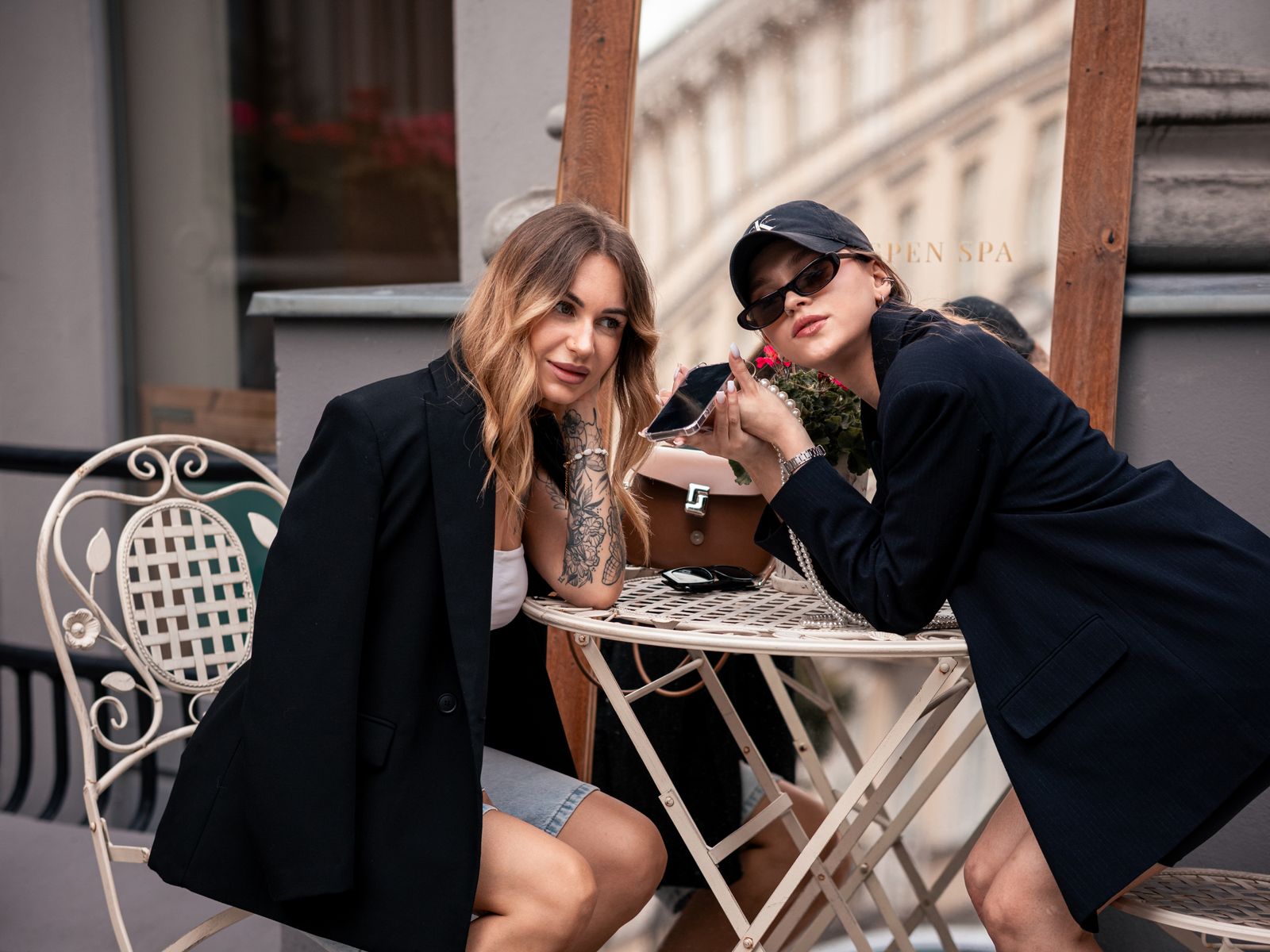
Photo by Nastya Bozhok on Pexels
| Stage | What changes | What to expect | |---|---|---| | First one to three washes | Loose surface dye rinses out | The most visible single shift; slight overall lightening and less risk of color transfer | | Rest of the first summer | Gradual, even lightening | Color settles into a stable worn-in tone; fabric softens noticeably | | Winter storage | Little to no change if stored dry and dark | Sunlight through a window is the main risk | | Second summer | Contrast develops | Seams, hem, and pocket edges read lighter than the panels; the overall shade is a step softer | | Beyond two seasons | Slow plateau | Change per wash becomes small; the fabric reaches a faded, well-worn character |
Two pairs bought at the same time can end up visibly different after a year for a simple reason: the one washed hot and dried on high will be further along than the one washed cold and hung to dry.
The four things that actually control the fade rate
Fading speed is not random. It comes down to four variables, in roughly this order of impact.
Turning the shorts inside out addresses two of those at once: the abrasion of the wash cycle lands on the inner surface rather than the face of the fabric, and the outer surface is shielded from direct sun on the line.
Is color transfer a permanent problem?
No — it is a first-few-washes problem.
While loose surface dye remains, the color can transfer onto other lighter materials or surfaces. In practice that means pale upholstery, cream handbags, light-colored car seats, and white tops if the shorts are damp from heat or rain. Friction and moisture together are what release it.
The sequence that clears it:
- Wash the shorts before the first wear if they will meet anything pale.
- Wash them separately, or with similar deep tones, for the first two or three cycles.
- Keep the first wash cold and use a normal dose of a gentle detergent.
- Once the rinse water runs clear rather than tinted, the transfer risk has effectively passed.
Does fading affect the fit or the stretch?
The color and the mechanics age differently, and it is worth separating them.
The dye lightens steadily. The 4-way stretch does not degrade on the same schedule — what wears out elastic fiber is heat, not washing. High dryer temperatures over many cycles are what eventually reduce recovery in any stretch fabric. A pair washed cold and dried on low can hold its snap-back long after the color has moved a shade lighter.
That produces a useful rule: the same habits that preserve the color also preserve the fit. Cold wash, gentle cycle, low or no dryer heat. There is no trade-off to manage between the two goals.
Twill also relaxes slightly during a long day of wear and recovers in the wash. That is normal fabric behavior rather than a sign the shorts are wearing out, and it is one reason a second pair in rotation ages more slowly than a single pair worn constantly.
Uneven fading, and whether it is a problem
Photo by Andrea Piacquadio on Pexels
Two kinds of unevenness show up in garment-dyed clothing, and they have different explanations.
The first is present from the start. Because the shorts were dyed as a finished piece, thread and seams take up color differently from the flat panels, so a new pair already has subtle tonal variation. That is the intended character of the finish and the reason garment-dyed fabric looks lived-in rather than flat.
The second develops with wear. Areas that see the most friction — the seat, the pocket edges, the hem, the front of the thigh — lose surface dye faster than the rest. Over a second season this produces the soft contrast that people associate with a favorite old pair. It only looks wrong when it is concentrated in one small spot, and that usually traces back to a specific cause: a bag strap rubbing in the same place, a car seat belt, or a sunny spot on a drying rack that received direct light for hours at a time.
Rotating pairs and hanging them inside out in shade addresses nearly all of it. Where fading is genuinely lopsided, the drying habit is the first thing to change.
How to slow the fade without babying them
FAQ
Should the fading be considered a defect? No. Garment-dyed stretch twill is finished specifically to produce a worn-in look that gradually lightens as it is washed and worn. A pair that looked identical after fifty washes would not be garment-dyed.
Will one hot wash ruin the color? One hot cycle will move the shade along faster than a cold one, but it does not destroy anything. The cumulative pattern over a season matters far more than any single wash.
Do darker or lighter shades show the change more? Deeper tones have further to travel, so the change is more apparent over time. Lighter, softer shades start closer to where they will end up and appear more stable, though they show stains more readily.
Can faded shorts be re-dyed at home? Home dyeing a stretch fabric is unpredictable, because the elastic fiber and the cotton-based yarn accept dye at different rates and the result is often blotchy. Preserving the original color with cold washing is a far more reliable strategy than trying to restore it. For everyday habits that keep a pair looking its best, see this guide to getting the most daily comfort out of stretch twill shorts.
A practical next step
Take one photograph of a new pair in daylight, then another at the end of the summer from the same spot. That comparison is more informative than any guesswork, and it makes it obvious whether the current laundry routine is preserving the color or accelerating it. If the shift looks faster than expected, the fix is almost always the dryer setting rather than the detergent.
Cover photo by Zulfugar Karimov on Pexels.