Tired of Saggy Waistbands? The Ultimate Buying Guide to Drawstring Shorts Alternatives
The main alternatives to drawstring shorts are pull-on shorts with a shaped elastic waistband, side-zip shorts with no front hardware, elastic-back waistbands with a flat tailored front, paperbag waists, and traditional button-and-zip shorts. Of those, a pull-on stretch twill short with a smooth high-waisted band is the closest thing to a drawstring's comfort without the drawstring's two recurring problems: a bow that works loose through the day and a bunched gather that adds bulk exactly at the waist.
Why do drawstring shorts sag in the first place?
A drawstring is a mechanical fix for a waistband that is cut wider than the body it sits on. It works by cinching excess fabric into gathers. Three things follow from that design:
- The knot loosens with movement. Cotton and satin cords slip, especially once they have been through the wash a few times. By afternoon the waistband has drifted wider than it was tied.
- The gathers add bulk. All that excess fabric has to go somewhere, and it goes into folds around the entire waist. Under a fitted top that reads as thickness at the waistline.
- The elastic underneath still ages. Most drawstring shorts also have elastic in the casing. When that elastic relaxes, the cord has to be tied tighter, which produces deeper gathers.
What are the main alternatives, compared?

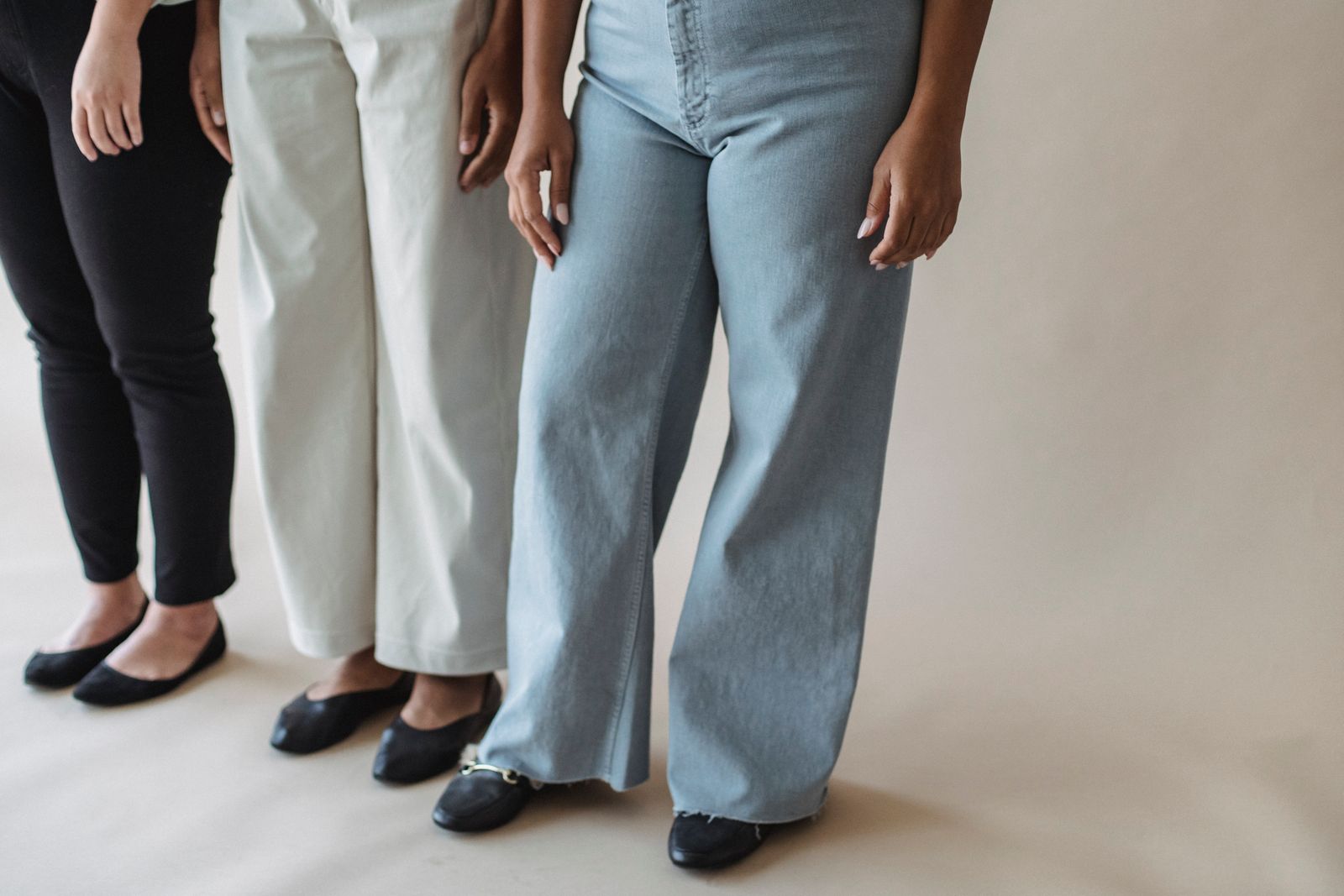
Photo by Yaroslav Shuraev on Pexels
| Waistband type | Comfort | Front smoothness | Adjustability | Holds position | Best for | | --- | --- | --- | --- | --- | --- | | Pull-on shaped elastic | High | High, no hardware | Fabric stretch, not adjustable | Very good | All-day wear, travel, mixed plans | | Drawstring with elastic | High | Low, gathered | High | Loosens over the day | Lounging, beach, post-workout | | Elastic back, flat front | Medium-high | High at the front | Some, via the back panel | Good | Office-adjacent settings | | Side zip, no front closure | Medium | Very high | None | Very good | The most tailored look | | Paperbag waist | High | Low, deliberately gathered | High | Good | A specific fashion silhouette | | Button and zip | Medium | Medium, hardware visible | None | Excellent | Traditional, structured wear |
Why pull-on shorts are the closest substitute
A well-made pull-on short keeps what people like about drawstrings — no hardware pressing into the waist, easy on and off, forgiving through a meal — and removes what they do not like.
The specifics that matter:
- No button and no zipper. Nothing digs in when sitting, driving, or bending. There is no fly to gap and no button that shifts position after lunch.
- A shaped band rather than a gathered casing. The waistband is cut to curve with the body instead of being a straight tube cinched into folds, which is what keeps the front line smooth.
- Fabric that does the adjusting. A 4-way stretch twill gives in every direction and recovers, so the waistband accommodates movement without needing to be retied.
- A high-waisted fit. Sitting at the natural waist rather than below it means the band rests on the narrowest part of the torso, where it is least likely to travel downward through the day.
What to look for when buying non-drawstring shorts
Use this as a checklist:
How the alternatives handle the waist-gap problem
The "gap at the back of the waistband" issue is what sends most people looking for alternatives in the first place. Here is how each design addresses it:
- Drawstring: cinches the gap closed by gathering. Works immediately, loosens over hours.
- Pull-on shaped elastic: eliminates the gap by curving the band to follow the body and using stretch rather than excess fabric. No adjustment needed, but the size must be right.
- Elastic back with flat front: hides the elastic where it is not visible and keeps the front tailored. A good compromise, though the elastic panel can show under thin fabric.
- Side zip: removes the front closure entirely for a clean line, and relies on the cut alone for fit. The most tailored option and the least forgiving.
Comfort without losing shape
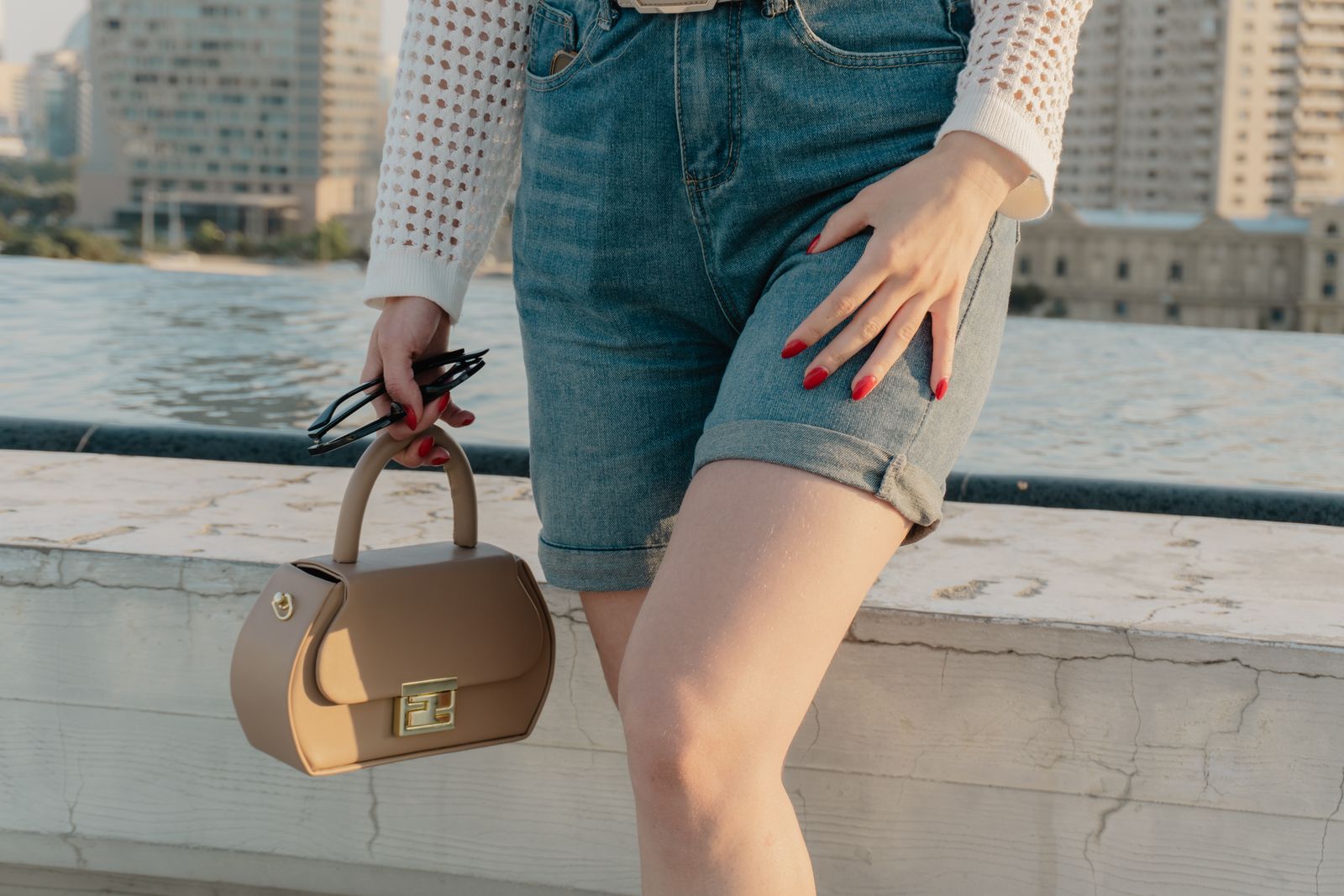
Photo by Zulfugar Karimov on Pexels
Comfortable is easy. Comfortable and structured is the actual goal, and it comes from the fabric rather than from the closure.
A dense stretch twill delivers both because the weave is stable enough to hold a hem and a leg line while the elastic content lets the garment move. That combination is why a pull-on twill short can be worn for a twelve-hour travel day and still look like a chosen outfit at the end of it, which no drawstring short manages.
Two more construction details worth noticing:
- Garment dyeing softens the surface color and gives the fabric a lived-in depth from the first wear, which keeps a structured short from looking stiff.
- Hidden shaping in the front panel creates a smooth line at the waist without a separate compression layer, so the effect is visual rather than restrictive.
When a drawstring is still the right choice
It is worth being honest about this. Drawstrings win in three situations:
- When body measurements are actively changing. Recovery, pregnancy, and any period of fluctuation are exactly what an adjustable closure is for.
- When the shorts are purely for lounging or sport. Nobody needs a tailored front line for a beach walk.
FAQ
Do pull-on shorts stay up as well as drawstring shorts? A shaped elastic waistband in a stretch fabric holds position well because it grips over a wide surface at the natural waist rather than relying on a knot. It stays put better than a drawstring does over a long day, since there is nothing to work loose. The requirement is choosing the correct size, because there is no cord to tighten if the waist is too large.
Will a pull-on waistband roll down when sitting? A wider, shaped band resists rolling far better than a narrow straight one. High-waisted styles also help, because the band sits above the point where the torso bends when sitting. If a band rolls consistently, it is usually a sign the size is too small rather than a flaw in the design.
Can the drawstring just be removed from existing shorts? It can, and it is worth trying before buying anything. If the shorts stay up acceptably without the cord, the elastic is doing the work and the drawstring was decorative. If they slide down immediately, the waistband was cut wider than the body and the cord was structural, in which case a different design is the real fix.
Is hidden shaping the same as shapewear? No. Shapewear is a separate compressive garment or panel designed to apply pressure. Hidden shaping built into a short is a construction choice in the front panel and waistband that produces a smooth line through the cut of the fabric. It should feel like an ordinary waistband, not like compression.
A practical next step
Pull out the drawstring shorts already in the drawer and check what happens without the cord tied. That single test tells you whether the problem is a loosening knot or a waistband cut too wide, and it points to the right alternative. If the answer is that they fall down, the next pair should be a pull-on shaped waistband in a 4-way stretch woven fabric, sized to the natural waist, in the 6-inch inseam if the goal is versatility across casual and dressier days.
Cover photo by Antonius Ferret on Pexels.