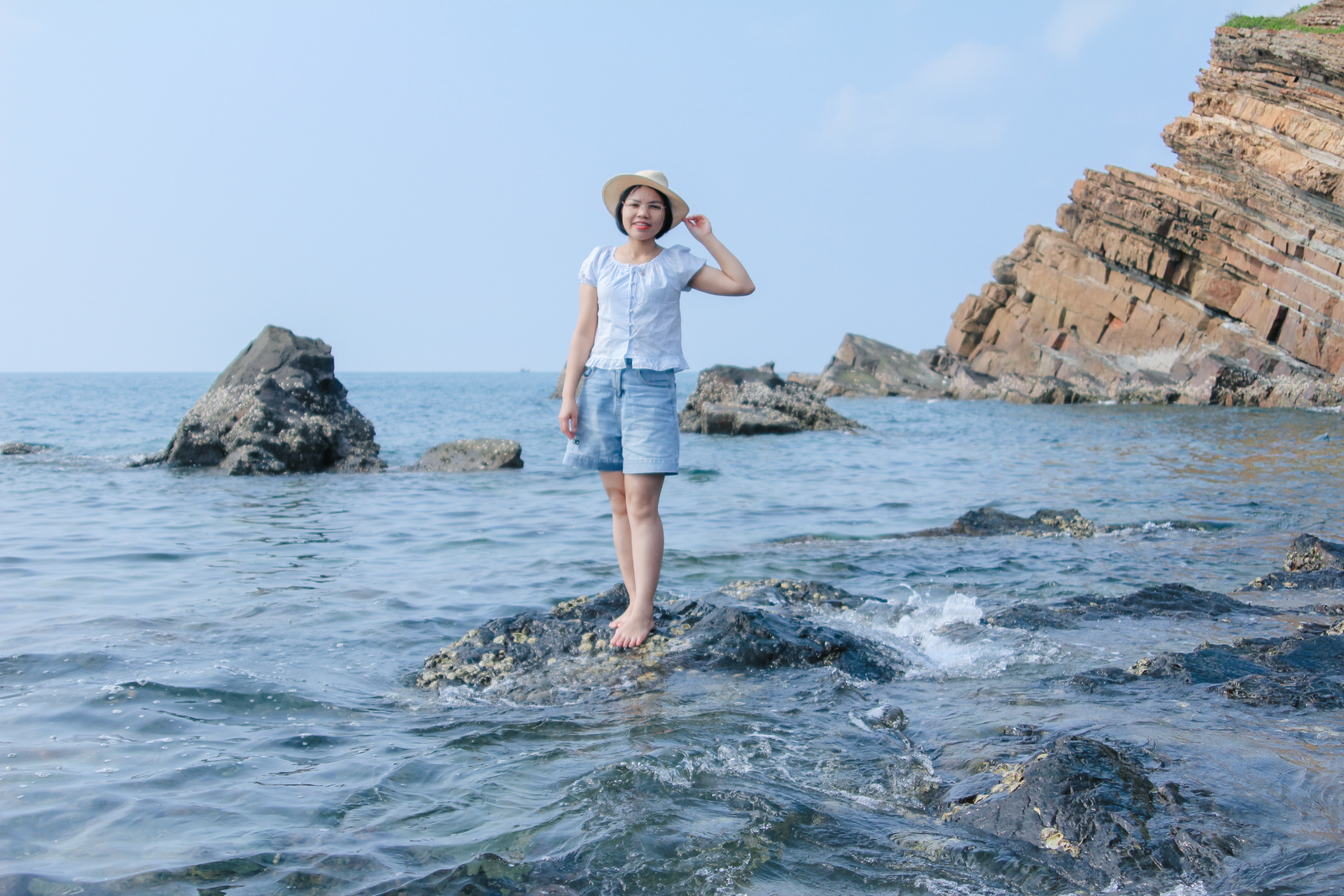
Air Drying vs. Tumble Drying: What Protects 4-Way Stretch Pull-On Shorts Best?
Air drying protects four-way stretch and garment-dyed color better than tumble drying, and the reason is heat rather than tumbling. Sustained dryer heat is what gradually tires out the elastic fiber that gives a pull-on waistband its snap-back, and it speeds up the natural fading of garment-dyed twill. Tumble drying is not forbidden, but it belongs on low or no heat, for a short cycle, and not as the everyday default.
What actually wears out stretch fabric in the dryer
Heat is the variable that matters. Four-way stretch woven fabric gets its give from a small amount of elastic fiber blended through the yarn, and that fiber behaves like a rubber band: it tolerates being pulled and released thousands of times, but it loses resilience when it is repeatedly heated near its softening point. Each hot cycle relaxes those filaments a little more, and after enough cycles the waistband no longer returns to its original circumference. That is the difference between shorts that feel the same in month nine and shorts that feel loose at the waist and baggy at the seat.
Tumbling itself is comparatively harmless. The mechanical action mostly causes surface abrasion, which shows up as a slightly fuzzed face on twill and duller color, not as lost stretch. This is why a no-heat air-fluff cycle is far gentler than a warm cycle of the same length, even though the drum is doing the same amount of tumbling.
Two other factors compound the heat problem. First, elastic fiber degrades faster when it is hot and dry at the same time, which is exactly the second half of a full dryer cycle after the water has evaporated. Second, garment-dyed fabric holds a portion of its color at and near the surface of the fiber, so heat plus abrasion removes color faster than either alone.
Air dry versus tumble dry: the practical comparison
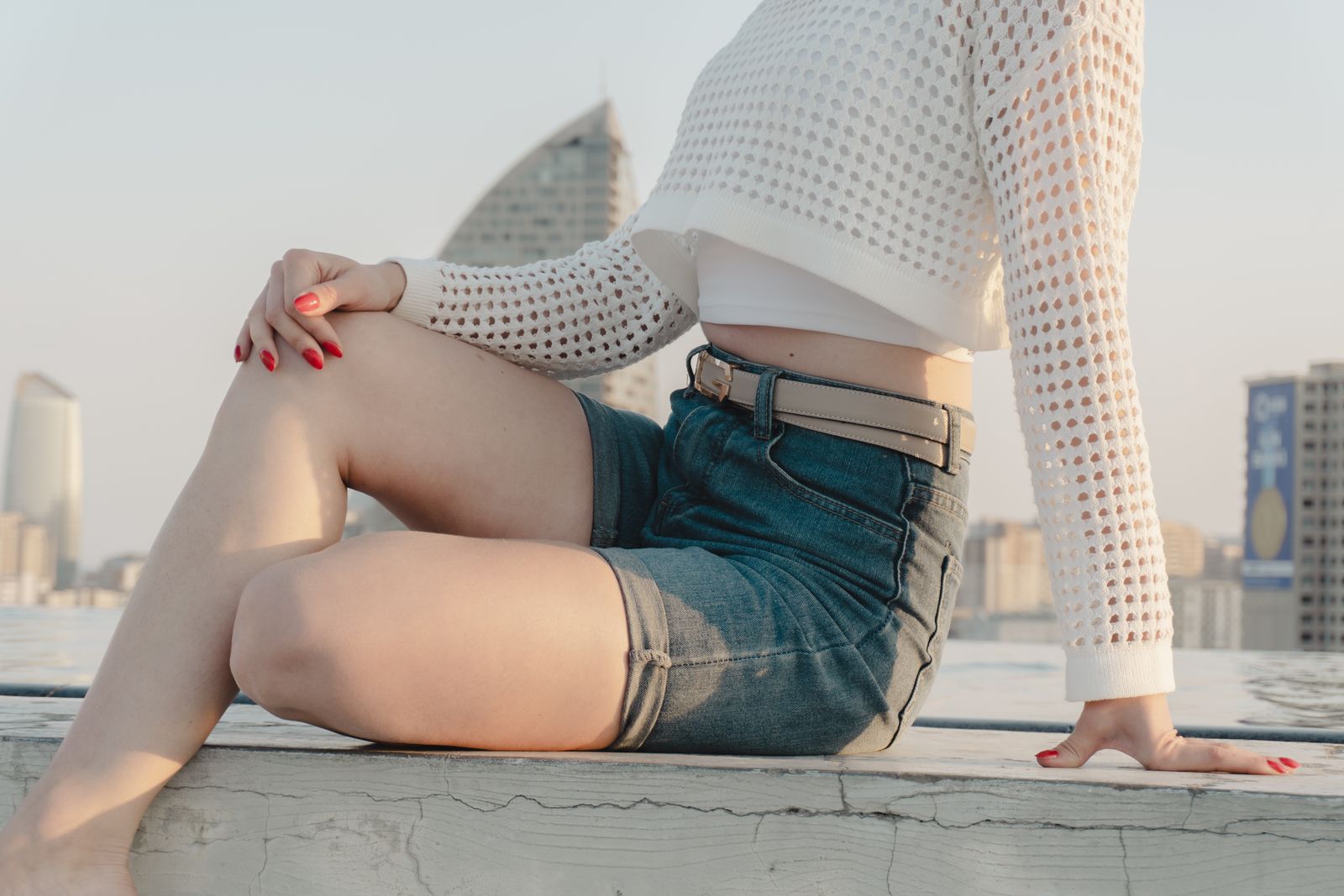
Photo by Zulfugar Karimov on Pexels
| Method | Effect on stretch recovery | Effect on garment-dyed color | Time | Best used for | |---|---|---|---|---| | Flat or draped air dry | Best — no heat load on elastic fiber | Best — slowest fading | 4–10 hours | Routine drying, hot-weather rotation | | Hanging air dry by the waistband | Very good, though the leg can pull long | Best | 4–8 hours | Small spaces, quick turnaround | | No-heat tumble (air fluff) | Very good | Mild surface dulling over time | 20–40 minutes | Softening after line drying | | Low heat, short cycle | Acceptable occasionally | Noticeable fading over many cycles | 20–30 minutes | Time pressure, damp finishing | | Medium or high heat | Poorest — cumulative loss of snap-back | Fastest fading and edge whitening | 30–50 minutes | Not recommended |
The pattern is consistent: every step up in temperature buys minutes and costs longevity. A pair dried on high once will not be ruined, but the same pair dried on high weekly for a season will feel different at the waist and read lighter in color than one that was air dried.
How to air dry pull-on twill shorts without stiffness or sag
Air drying has a bad reputation because it is often done in a way that produces board-stiff fabric and a stretched-out waistband. The fix is mostly in the first two minutes.
Done this way, a pair of stretch twill shorts typically dries in a few hours in warm weather and comes off the rack close to wearable, with no ironing needed.
When tumble drying is the right call
There are situations where the dryer earns its place. A short low-heat cycle is reasonable when shorts are nearly dry and need to be wearable in fifteen minutes, when humidity is so high that air drying would take more than a day, or when a pair has dried stiff and needs softening. The rule that keeps damage low is to remove them while they are still barely cool and very slightly damp, then let them finish on a rack for twenty minutes. Fabric that goes on baking after the moisture is gone is where most of the harm occurs.
Two habits are worth avoiding entirely. Do not use high heat on garment-dyed twill, because it accelerates fading in the exact places that already fade first — pocket edges, hems, and the seat. And do not add dryer sheets or fabric softener as a fix for stiffness. Softeners coat fibers with a waxy film that reduces the fabric's ability to move and can make stretch feel sluggish; a no-heat tumble does the same job cleanly.
What fading looks like, and what it does not mean
Photo by 🇻🇳🇻🇳Nguyễn Tiến Thịnh 🇻🇳🇻🇳 on Pexels
Garment-dyed fabric is designed to soften and lighten with wear. Stretch twill in this construction is dyed after the shorts are sewn, which is what produces the worn-in look, and it will gradually fade as it is washed and worn. Slow, even fading is the intended behavior, not a defect. What air drying changes is the pace: less heat means the color arrives at that lived-in stage over years instead of weeks.
Uneven fading is the outcome worth preventing, and it comes from three avoidable things — direct sun on the outer face while drying, high dryer heat, and washing right side out so the face of the fabric takes the abrasion. Turning them inside out for both the wash and the dry addresses all three at once. For the full routine around water temperature, detergent, and load sorting, the broader guide to wearing, styling, and caring for stretch twill shorts covers the wash side of the same process.
Signs your drying routine needs to change
- The waistband feels roomier at the start of the day than it used to, and does not tighten back up after a wash.
- The seat or knee area stays slightly bagged out after a few hours of wear instead of recovering.
- Color has shifted noticeably lighter along hems and pocket edges while the rest stays darker.
- The fabric feels less springy under the hand and more like a flat, non-stretch cotton.
- Shorts come out of the dryer warmer to the touch than a cotton T-shirt from the same load, which usually means the cycle ran past dry.
FAQ
Does air drying make stretch twill shrink? Air drying is the method least likely to shrink anything, because shrinkage in blended woven fabric is largely driven by heat. A pair may feel slightly snugger straight off the rack and relax within a few minutes of wear as the fabric warms and the stretch engages.
Is hanging or laying flat better? Laying flat is marginally better because nothing carries the weight of the wet fabric. Hanging is fine if the waistband is folded over a bar rather than pinched by clips, which prevents both stretching and clip marks.
Can shorts go in the dryer with towels? It is better not to. Towels need long, hot cycles and shed lint that clings to twill, so the shorts end up over-dried to suit the towels. Drying them with lighter items on a short low cycle is the better pairing.
How many wears between washes? For most warm-weather use, two to three wears is reasonable unless they are visibly soiled or have absorbed sweat or sunscreen. Fewer wash cycles is the single biggest lever on both stretch retention and color, which is why a rotation of two or three pairs outlasts one pair worn daily — the same logic behind treating them as everyday comfort staples rather than occasion pieces.
The practical next step
Pick one change and make it the default: pull the shorts out of the wash immediately, turn them inside out, and dry them flat in the shade with a fan running. Keep the dryer for a fifteen-minute no-heat fluff at the end when the hand feels stiff. That single adjustment costs a few hours of patience and preserves both the snap-back at the waist and the depth of the garment-dyed color for far longer than any product or additive can.
Cover photo by Kiều Ngọc Bích on Pexels.