
4-Inch vs. 6-Inch Inseam Shorts: How to Choose the Perfect Length for Your Body and Style
A 6-inch inseam reads tailored and covers more occasions; a 4-inch inseam reads casual and shows more leg. Choose the 6-inch if the shorts need to work for travel, restaurants, warm-weather offices, and long days of sitting. Choose the 4-inch for hot casual days, weekends, and anywhere the priority is coolness and ease. If only one pair is being bought, the 6-inch is the more versatile of the two.
The two-inch difference sounds small and is not. It changes where the hem lands on the thigh, how the short pairs with shoes, and how formal the whole outfit reads.
What does inseam actually measure?
Inseam is the length of the seam running along the inside of the leg, from the crotch seam down to the hem. It is not the same as the total length of the garment, which also includes the rise.
That distinction matters for two reasons:
- Inseam is the number that predicts where the hem lands relative to the knee, and therefore how the short looks.
- Rise changes the total length without changing the inseam. A high-waisted short has a longer rise, so a 6-inch inseam high-waisted short is a longer garment overall than a 6-inch inseam mid-rise short, even though the leg length is identical.
Where does each length land?
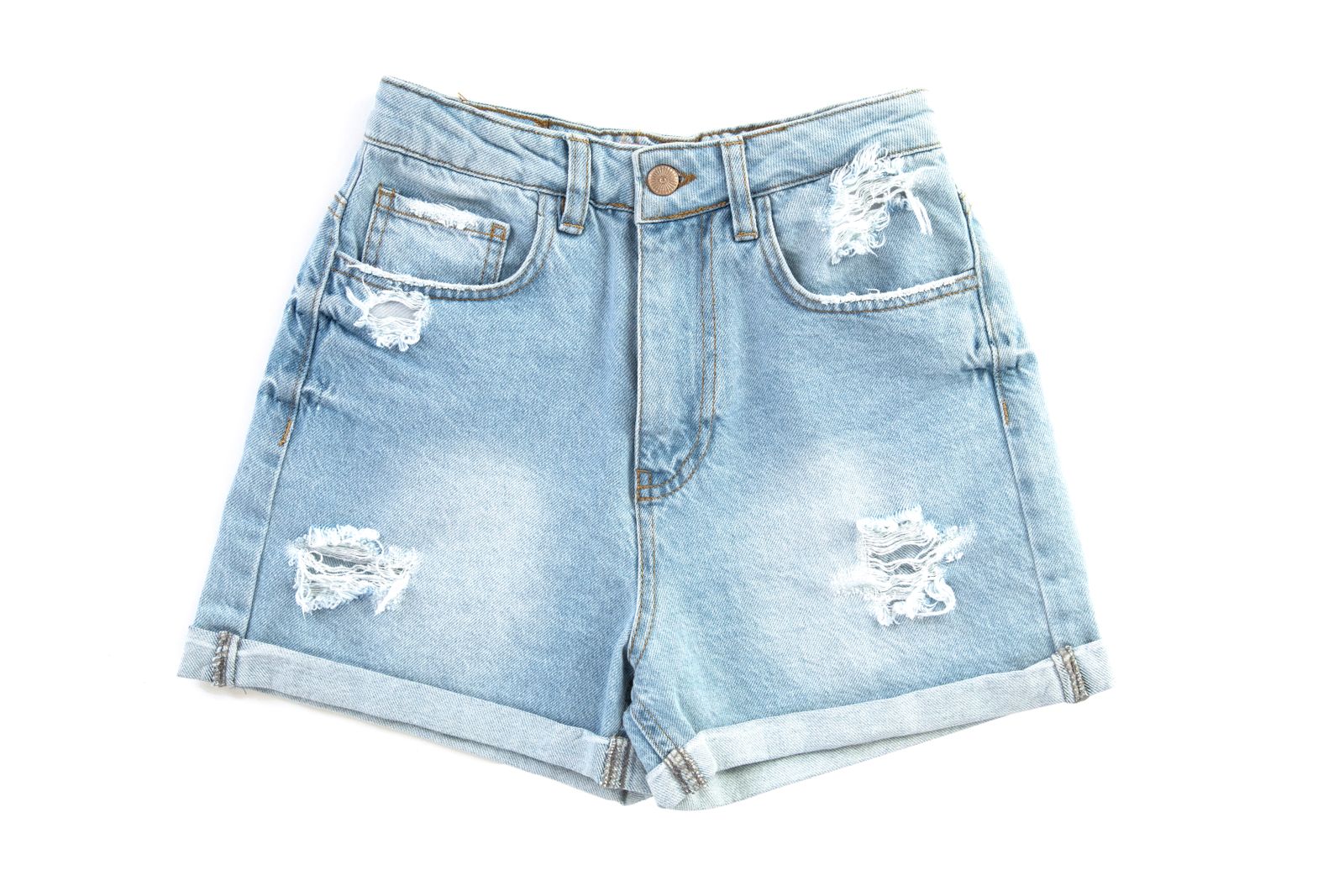
Photo by Engin Akyurt on Pexels
On most adults, with a high-waisted rise:
- A 4-inch inseam lands on the upper to mid thigh. It is a clearly short short, comfortably above the midpoint between hip and knee.
- A 6-inch inseam lands closer to mid thigh, meaningfully below the 4-inch hem, and reads as a standard tailored short length.
Side-by-side comparison
| Factor | 4-inch inseam | 6-inch inseam | | --- | --- | --- | | Overall register | Casual, summery | Tailored, versatile | | Visible leg | More | Less | | Best shoes | Flats, slides, sneakers | Anything, including heels and loafers | | Comfort while seated | Very good, less fabric | Very good, more coverage | | Coolness in heat | Slightly cooler | Comfortable, marginally warmer | | Works for a dress code | Rarely | Often, in warm-weather settings | | Travel versatility | Limited to casual plans | Covers casual and dressier plans | | Pairs with a heel | Can look out of balance | Balanced | | Coverage while active | Less | More | | Layering under a longline piece | Can disappear under the layer | Visible below most layers |
When the 4-inch inseam is the better choice
- Genuine heat. Less fabric on the leg is cooler, and the difference is noticeable in direct sun.
- Casual weekends. Errands, coffee, a park, a farmers market. The shorter hem reads relaxed, which is exactly right.
- Pairing with flats. A flat sandal or a low sneaker with a shorter inseam creates an easy, unfussy proportion.
- Beach and lake days. Quick to put on over a swimsuit, and the pull-on design with no button or zipper makes that even easier.
- When more leg is the look you want. This is a legitimate reason on its own and does not need justifying.
When the 6-inch inseam is the better choice
- Travel. One pair that works for a museum in the morning and dinner in the evening is worth more suitcase space than two pairs that each only work for one.
- Warm-weather offices with a relaxed code. Longer inseams are what make shorts plausible in a workplace at all. The notes on wearing twill shorts to work go into where that line usually falls.
- A lot of sitting. More coverage on the thigh means less adjusting on outdoor chairs, restaurant benches, and car seats.
- Wearing heels or loafers. The longer hem balances a heel. A short inseam with a high heel is the pairing most likely to feel mismatched.
- Activity. Walking, cycling, gardening, and playing with children all involve movement where a longer inseam simply requires less thought.
- Under a longline layer. With an open cardigan or a longer blazer, a 4-inch hem can vanish under the layer, while a 6-inch hem stays visible and keeps the outfit legible.
How the fabric affects the decision
Length interacts with fabric more than people expect.
A 4-way stretch twill moves with the leg, so a shorter inseam does not ride up the way a rigid woven short does. That makes the 4-inch inseam more comfortable and less fidgety than the same length in non-stretch cotton or denim. It also means the 6-inch inseam does not feel restrictive across the thigh when sitting, because the fabric gives and then recovers.
The pull-on construction with no button and no zipper matters here too. There is no rigid front closure creating a fixed point at the top of the leg, so the whole garment moves with the body rather than resisting it at the waist. That is part of why the same inseam can feel longer in a stiff fabric and shorter in one with give.
Garment dyeing has no effect on length, but it does affect how the hem reads. The softened, worn-in surface color makes a longer inseam look relaxed rather than stiff, which is one reason a 6-inch twill short does not look overly formal in a casual setting.
Choosing by height and proportion

Photo by Siarhei Nester on Pexels
Rather than sorting by a body-type category, use the simplest available reference: your own existing shorts.
Two inches is a real difference. Anyone deciding between the lengths for the first time is usually better served buying one pair, wearing it for a week, and then deciding on the second.
Can both lengths live in the same wardrobe?
Yes, and it is the most practical outcome for anyone who wears shorts often. The pattern that works:
- The 6-inch pair is the default. It goes in the suitcase, gets worn to anything with other people present, and handles long days.
- The 4-inch pair is the hot-weather and weekend pair. It comes out for heat and for genuinely casual days.
FAQ
Is a 6-inch inseam considered long for women's shorts? It sits in the middle of the common range rather than at the long end. Women's shorts commonly run from about 2 inches to 9 inches or more, so 6 inches is a moderate, tailored length. It reads as a standard short rather than as a long or a Bermuda short.
Which inseam is better for someone shorter? Both work. A 6-inch inseam sits proportionally lower on a shorter frame, which some people prefer for the coverage and others find breaks the leg line. The reliable move is to pair a longer inseam with a high waist and a low-cut shoe, both of which extend the visible leg line and keep the proportion balanced.
Do stretch twill shorts ride up between the thighs while walking? Four-way stretch and a tight woven construction reduce this considerably compared with a rigid short, because the fabric moves with the leg rather than being pushed by it. Between the two lengths, the 6-inch inseam is the more predictable choice for a long day of walking simply because there is more fabric in contact with the leg.
Should the same size be ordered in both inseams? Yes, when both are the same style. Inseam changes leg length only; the waist, rise, and hip measurements are unchanged. The fit at the waistband will feel identical between the two lengths.
A practical next step
Measure the inner leg seam of the shorts you reach for most often, then write the number down. That single measurement removes almost all of the guesswork from this decision. If it comes in at 5 inches or above, order the 6-inch inseam first. If it is under 5 and the hem already feels right, the 4-inch is the closer match — and the broader guide to this fabric covers how the stretch affects fit once the length is settled.
Cover photo by SHVETS production on Pexels.